
Battery Energy Storage Systems (BESS) in Pakistan: A Complete Guide for Smarter, Cleaner and More Reliable Power
By Gravity Engineering Solutions — delivering end-to-end Battery Energy Storage System design, installation, and maintenance across Pakistan.What Is a Battery Energy Storage System?
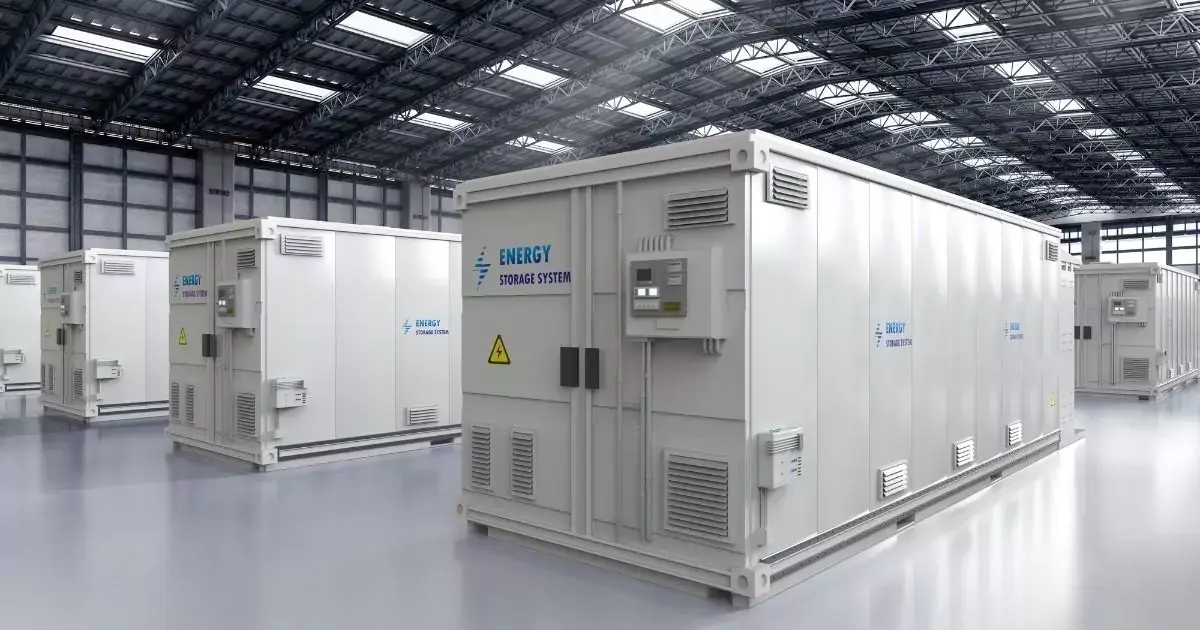
A Battery Energy Storage System is a smart infrastructure that captures electrical energy from the grid or renewables, stores it as chemical energy, and releases it on demand. A typical BESS includes battery modules, a battery management system (BMS), a power conversion system (PCS/inverters), safety and protection devices, HVAC for thermal management, and control software that decides when to charge or discharge. Think of BESS as a precision energy valve: when tariffs spike or the grid is unstable, your BESS delivers clean power; when rates drop or your solar array over-produces, the system absorbs that energy for later. For a deeper engineering dive, check our step-by-step explainer: How Battery Energy Storage Systems Work – 2025 Guide.Why BESS, and Why Now?
Three trends make BESS a strategic investment today:- Tariff pressure and peak charges: By shifting consumption away from expensive hours, BESS cuts bill volatility and demand charges.
- Reliability and resilience: Load shedding and micro-outages cause production loss and equipment stress. BESS provides seamless backup and power quality support.
- Renewable integration: Solar and wind are intermittent. BESS captures daytime solar or windy hours and delivers power at night or during calm periods.
How BESS Works: From Charging to Discharge
While the components inside a BESS are sophisticated, the operating cycle follows four intuitive stages:- Charging: Energy flows from solar, wind, or the grid into battery modules. Smart controls prefer low-tariff windows or renewable surplus.
- Storage: The BMS ensures safe, optimal state of charge, balancing cells and managing temperature with HVAC support.
- Conversion: The PCS/inverters convert DC power to AC with high efficiency to serve loads or export to the grid.
- Discharge: During peak demand, outages, or power quality events, the system delivers stable electricity instantly.
BESS Technologies and Battery Chemistries
Not all batteries are equal. The best choice depends on energy density, cycle life, temperature behavior, safety profile, and cost. Here are the leading options you’ll encounter:- Lithium-ion (Li-ion): High energy density, excellent round-trip efficiency, and fast response. Ideal for commercial/industrial sites and hybrid solar systems.
- LFP (Lithium Iron Phosphate): A Li-ion subtype valued for thermal stability and long cycle life; increasingly popular for stationary storage.
- NMC/NCA: Higher energy density variants often used where footprint is constrained; careful thermal design is essential.
- Flow batteries: Scalable electrolyte tanks and exceptional cycle life; well-suited for long-duration storage and frequent cycling.
- Advanced lead-acid/lead-carbon: Lower capex and proven tech for specific backup scenarios; shorter life than Li-ion.
Top Applications and Use Cases in Pakistan
BESS is versatile. Below are the use cases we see delivering consistent value for our customers nationwide:- Peak shaving and bill reduction: Discharge during billed peaks to flatten the load curve and avoid demand spikes.
- Backup power and resilience: Ride through outages without downtime or generator spin-up delays; protect critical loads.
- Solar self-consumption: Store excess PV production and use it later to reduce grid draw at night.
- Power quality and stability: Improve voltage/frequency stability and reduce flicker and harmonics for sensitive equipment.
- Microgrids and remote sites: Combine solar/wind with BESS to provide reliable off-grid or weak-grid power.
- EV charging support: Supply high-power charging without overloading the grid connection; charge BESS off-peak.
Sizing, Design, and Optimization
The difference between a good BESS and a great BESS is design. We start with data: interval load profiles, tariff schedules, solar generation curves, outage history, and business priorities. From there, we optimize:- Energy capacity (kWh): How long you need to run critical loads or how much peak you want to shave.
- Power rating (kW): The instantaneous power needed for starting currents, process loads, or EV fast charging.
- Cycle strategy: Daily cycling for tariff arbitrage vs. occasional backup; impacts battery life and ROI.
- Coupling architecture: AC-coupled for retrofit simplicity vs. DC-coupled for PV-plus-storage efficiency.
- Thermal and safety design: HVAC sizing, fire suppression, clearances, and enclosure choice for Pakistan’s climate.
- Controls & EMS: Rule-based or predictive algorithms to schedule charge/discharge by tariff and weather forecasts.
Economics: Savings, Payback, and ROI
BESS creates value in multiple ways, which add up to a strong business case:- Tariff arbitrage: Buy low, use high — especially effective with predictable peak windows.
- Demand charge reduction: Trimming peak kW can unlock significant savings for commercial and industrial customers.
- Avoided downtime: Prevent revenue loss, scrap, and maintenance penalties caused by unscheduled outages or power dips.
- Deferred upgrades: Use BESS to meet growth without immediate transformer or service upgrades.
- Solar value boost: Increase self-consumption and hedge against future tariff escalations.
Safety, Standards, and Compliance
Safety is engineered in — not added later. Our designs follow international best practices and component certifications (e.g., IEC/UL for batteries, inverters, and protection systems). Core elements include:- Battery Management System (BMS): Continuous cell health monitoring, balancing, and fault detection.
- Thermal management (HVAC): Keeps temperature in the optimal envelope for performance and life.
- Fire detection and suppression: Early warning plus appropriate extinguishing technologies for the chemistry used.
- Electrical protections: Breakers, fuses, relays, earthing, surge protection, and isolation procedures.
- Enclosure and clearances: Proper ingress protection, ventilation, access control, and maintenance pathways.
- Commissioning and training: Checklists, test scripts, and operator handover with documentation.
Installation, Commissioning, and Maintenance
A BESS is only as good as its install and upkeep. We deliver a full project lifecycle:- Site survey & data collection: Load study, tariff review, solar resource, and space assessment.
- Engineering & design: Equipment selection, layout, protections, thermal design, and controls.
- Procurement & logistics: Certified components, factory acceptance, and delivery planning.
- Installation & commissioning: Mechanical/electrical works, safety checks, performance verification.
- Training & handover: Operator guidance, manuals, and response protocols.
- Monitoring & O&M: Remote analytics, preventive maintenance, warranty management, lifecycle planning.
Why Choose Gravity Engineering Solutions?
We are engineers first and last. Our value lies in careful listening, rigorous modeling, and precise execution. Customers choose us because we:- Design around your actual load profile and business priorities — not a one-size-fits-all kit.
- Implement proven, certified components with bankable warranties.
- Balance technical performance with economic outcomes to maximize ROI.
- Support you for the full lifecycle with monitoring, maintenance, and upgrade paths.
A Quick Scenario: From Pain Points to Performance
Consider a manufacturing facility in Islamabad facing high evening tariffs and weekly outages. After a one-month data capture, our engineers sized a 1 MW / 2 MWh BESS. The system now charges from solar and off-peak grid supply, then discharges through the evening peak and during brief outages. The results: flatter demand profile, fewer process interruptions, improved power quality for sensitive drives, and a predictable payback driven by tariff arbitrage plus avoided downtime. Similar results are achievable for malls, hospitals, data centers, housing societies, and microgrids — with sizing tailored to each load profile.Learn More About BESS
Buyer’s Tips: Getting the Most from Your BESS Investment
- Insist on data-driven sizing: Ask for a design based on interval data, not just averages.
- Check cycle counting and warranty terms: Align your use case (daily cycling vs. backup) with the battery’s warranted cycles.
- Consider long-duration needs early: If your site needs extended backup, explore multi-hour duration or hybrid chemistries.
- Evaluate thermal design: Pakistan’s climate demands robust HVAC and ventilation for performance and safety.
- Plan for integration: Ensure compatibility with your solar inverters, gensets, switchgear, and monitoring systems.
- Model future tariffs and growth: Include escalators and potential load increases in your ROI model.
- Prioritize serviceability: Clear access, spares availability, and defined O&M procedures save money over time.
Next Steps: Start Your BESS Project with Gravity Engineering Solutions
If you’re ready to cut energy costs, secure reliable backup, and turn solar into round-the-clock power, let’s start with a quick assessment. We’ll review your load data, tariff structure, and site constraints, then share a clear design and ROI model tailored to your objectives.Learn More About Our BESS Solutions Installation & Maintenance
visit the International Renewable Energy Agency (IRENA) – Energy Storage , which provides global reports, market data, and case studies.