Gravity Engineering Solutions - Solar Panel Licensing Policy in Pakistan 2026

Latest Solar Panel Licensing Policy in Pakistan 2026 – Complete Guide for Homeowners & Businesses

Everything you need to know about the Solar Panel Licensing Policy in Pakistan 2026. Understand NEPRA’s new Prosumer Regulations, net billing, licensing fees, buyback rates, and how the shift from net metering affects your solar investment.

Gravity Engineering Solutions – helping you navigate the Solar Panel Licensing Policy in Pakistan 2026 with confidence.
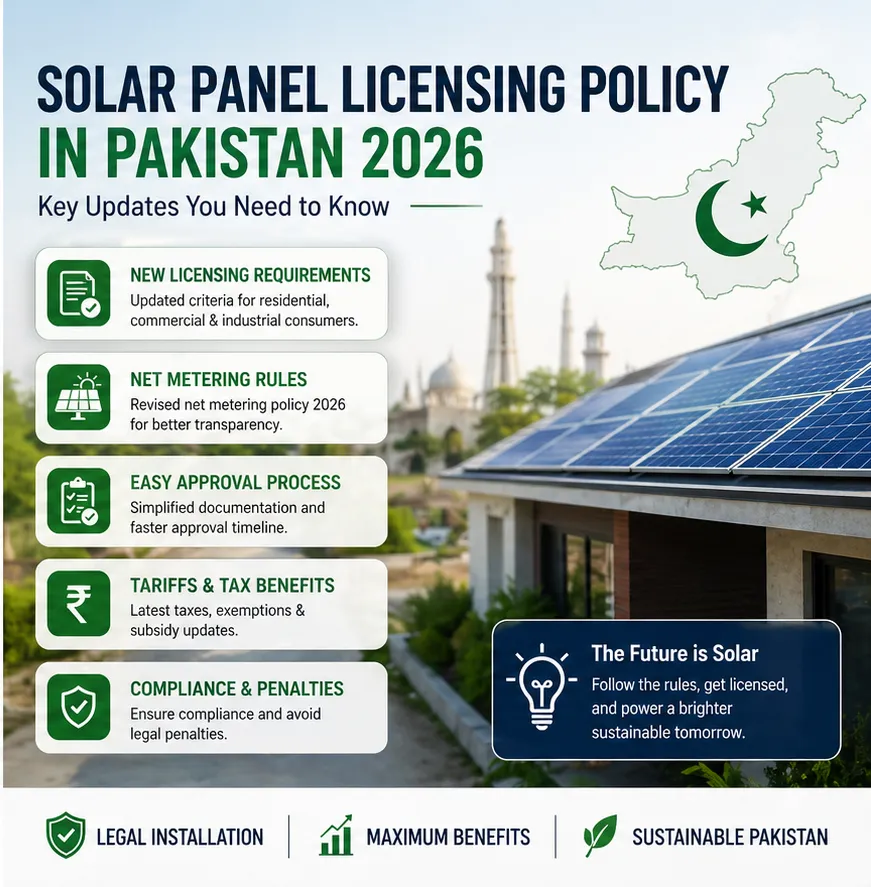
Solar Panel Licensing Policy in Pakistan 2026 - NEPRA Prosumer Regulations

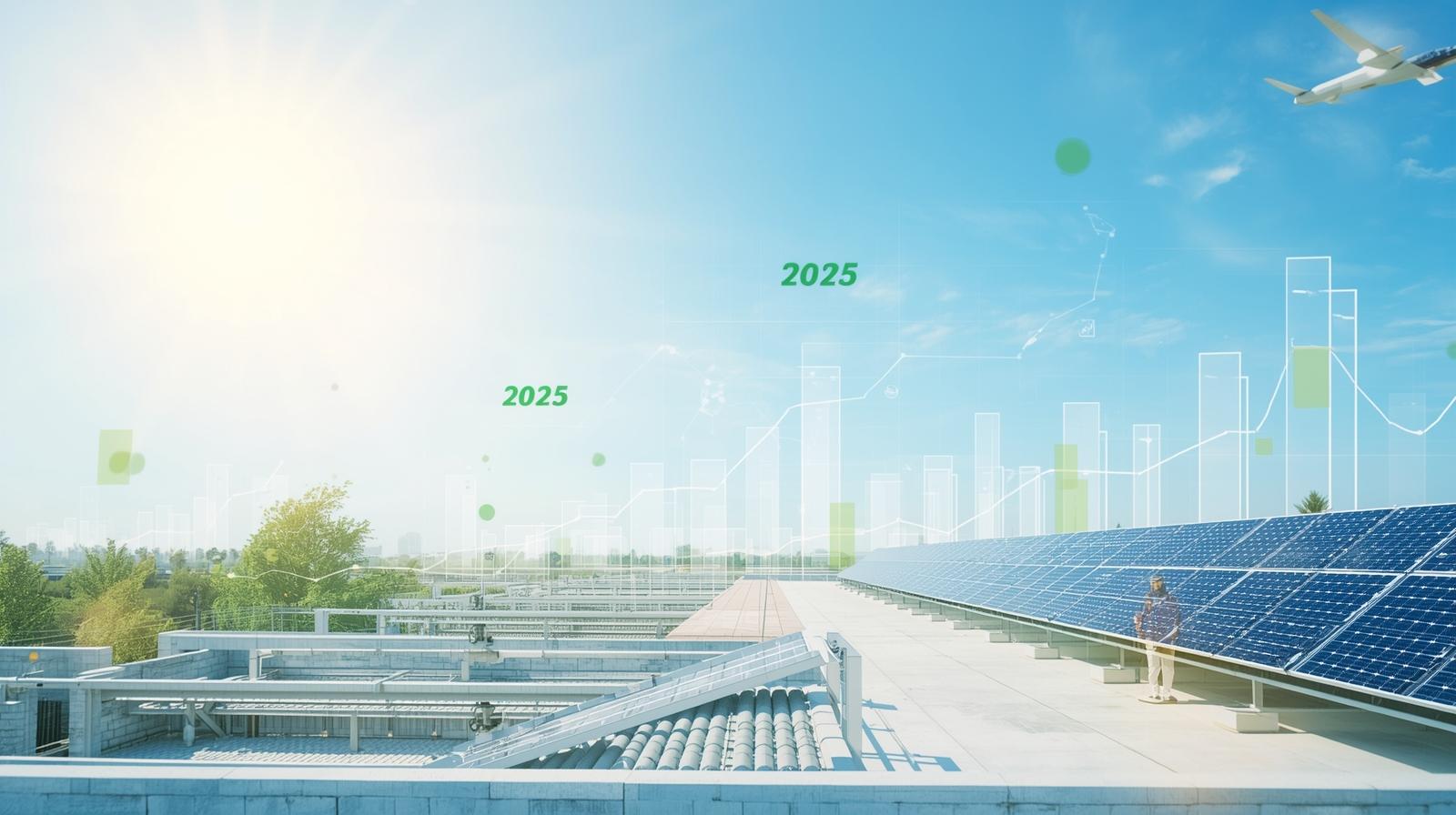
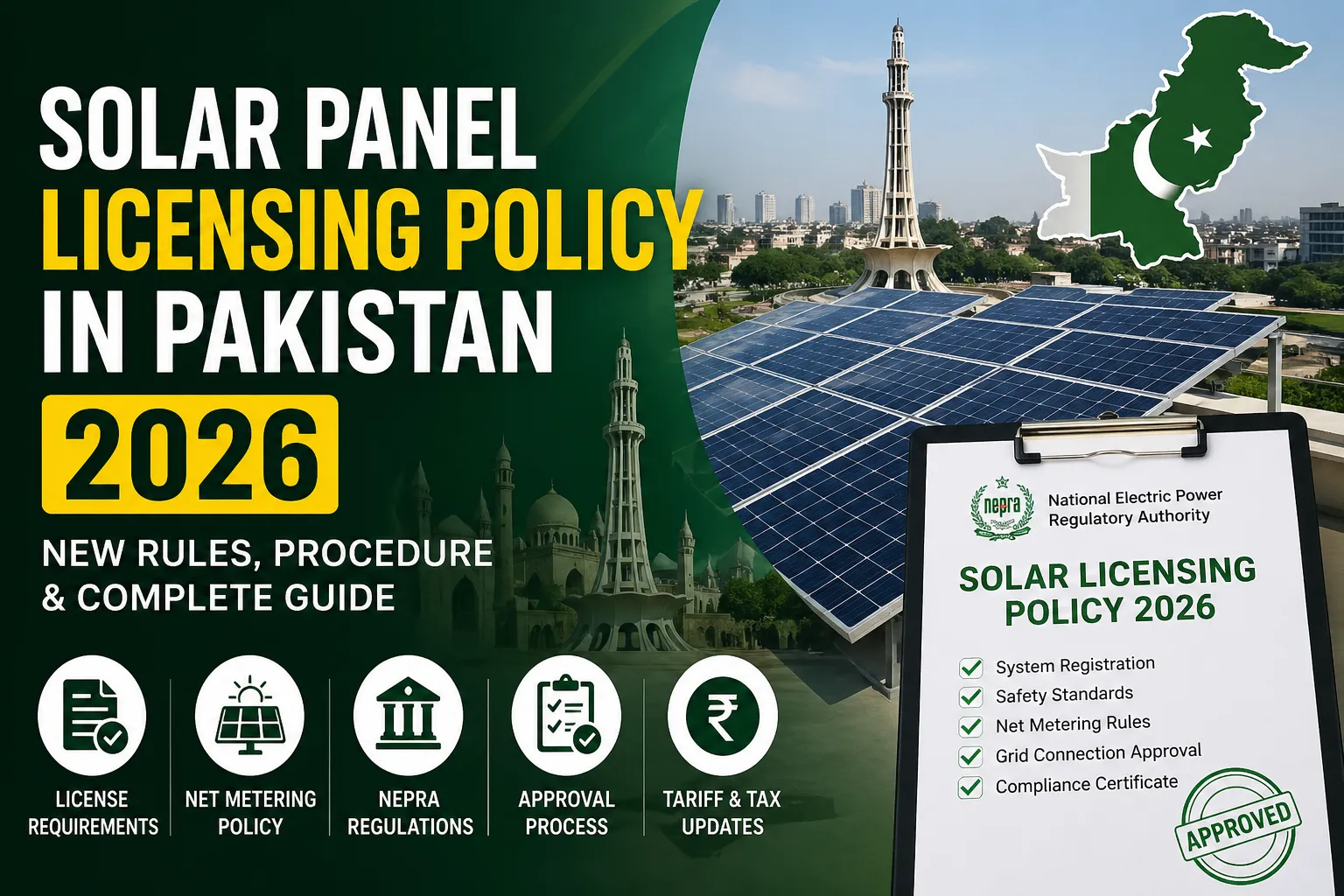
NEPRA’s Prosumer Regulations 2026 – a visual overview of the new licensing policy

Table of Contents

1. Introduction: The New Solar Panel Licensing Policy in Pakistan 2026
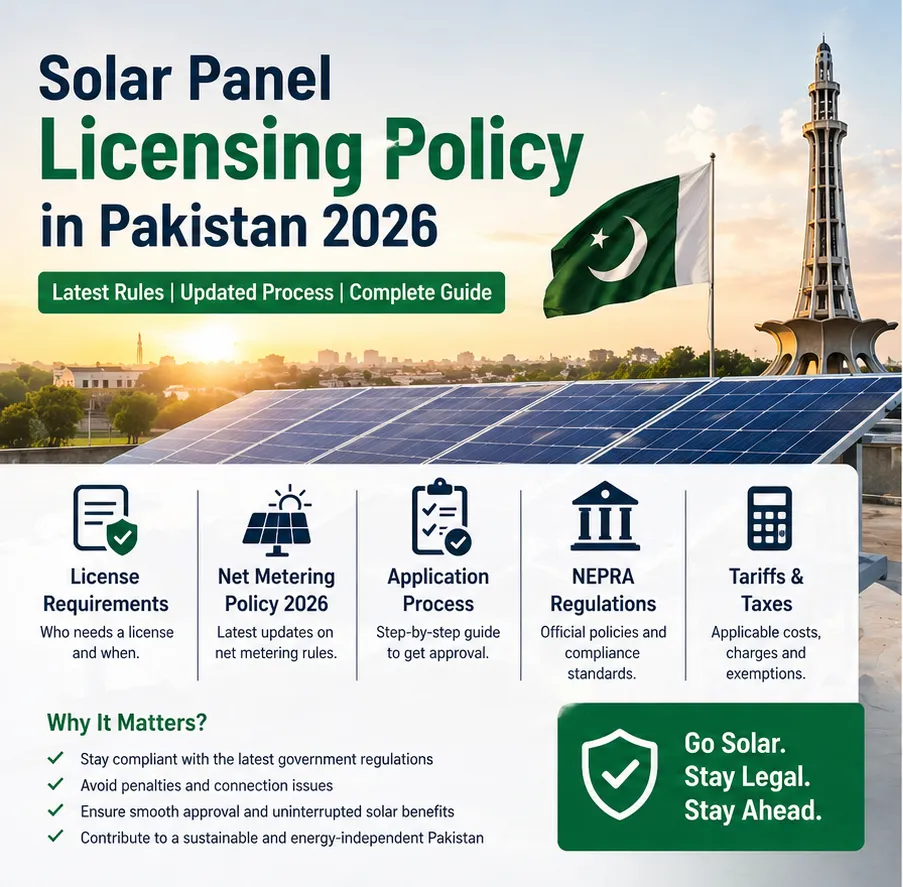
Official guidelines of the Solar Panel Licensing Policy in Pakistan 2026 On February 9, 2026, Pakistan’s power sector underwent a seismic shift. The National Electric Power Regulatory Authority (NEPRA) officially notified the Prosumer Regulations 2026, replacing the decade-old Net Metering Regulations 2015. This Solar Panel Licensing Policy in Pakistan 2026 affects over 466,000 existing solar users and millions of prospective ones. If you’re a homeowner, business owner, or farmer who has invested—or plans to invest—in solar energy in Pakistan, this guide is for you. We’ll walk through everything: the shift from net metering to net billing, new licensing fees, buyback rates, and what the Solar Panel Licensing Policy in Pakistan 2026 means for your electricity bill. At Gravity Engineering Solutions, we’ve helped hundreds of customers transition to solar. This guide aims to cut through the confusion and give you clear, actionable information about the Solar Panel Licensing Policy in Pakistan 2026. External resource: Download the official NEPRA Prosumer Regulations 2026 (PDF)

2. How the Solar Panel Licensing Policy in Pakistan 2026 Changes Net Metering to Net Billing

To understand the new Solar Panel Licensing Policy in Pakistan 2026, we need to understand what changed.

What Was Net Metering Under the Old Policy?

Under the old net metering system (2015-2026), solar consumers were “prosumers” – both producers and consumers. When you generated excess solar electricity, you exported it to the national grid. For every unit you exported, you received a credit of one unit that you could use later. This was a one-to-one unit exchange.

What Is Net Billing Under the New Solar Panel Licensing Policy in Pakistan 2026?

Under the new net billing system introduced by the Solar Panel Licensing Policy in Pakistan 2026, the one-to-one unit exchange is gone. Now, imported and exported electricity are valued differently. When you export electricity to the grid, you get paid a lower “buyback rate” (around Rs8–11 per unit). But when you import electricity, you still pay the full retail tariff (between Rs37 and Rs55 per unit).
Feature Net Metering (Old) Net Billing (New)
Valuation Method One-to-one unit exchange Dual valuation (buyback vs retail)
Buyback Rate (export) Rs25.9 per unit Rs8.13 – Rs11 per unit
Retail Rate (import) Same as buyback Rs37 – Rs55+ per unit
Contract Duration 7 years 5 years
Key Takeaway: Under the old system, you could offset your entire electricity bill. Under the new Solar Panel Licensing Policy in Pakistan 2026, you will always pay a significant amount to the grid because import and export rates are unequal.
External resource: Visit NEPRA’s official website for complete policy documents

3. Licensing Fees Under the Solar Panel Licensing Policy in Pakistan 2026

Another major change in the Solar Panel Licensing Policy in Pakistan 2026 is the licensing and approval process for grid-connected solar systems.

Old Process (Before February 8, 2026)

Under the 2015 regulations, systems of 25kW or less did not require a NEPRA license. Applications were processed directly by DISCOs with zero application fees.

New Fees Under the Solar Panel Licensing Policy in Pakistan 2026

The 2026 regulations have centralized the approval process. All grid-connected solar users must obtain approval from NEPRA, regardless of system size. A one-time licensing fee of Rs1,000 per kilowatt (kW) applies. For a typical 5kW system, that’s Rs5,000. Off-grid systems are completely exempt.
⚡ Important Note: NEPRA has emphasized that this fee is not a new tax. It is a one-time application processing fee for grid-connected users under the Solar Panel Licensing Policy in Pakistan 2026. Off-grid users are completely exempt.
External resource: Read Business Recorder’s analysis of the new licensing fees

4. Buyback Rates & Contract Changes in the Solar Panel Licensing Policy in Pakistan 2026

Perhaps the most impactful change in the Solar Panel Licensing Policy in Pakistan 2026 is the reduction in the buyback rate for exported solar electricity.

Reduced Buyback Rate for New Consumers

For new solar consumers (applying after February 8, 2026), the buyback rate has been slashed to approximately Rs8.13 per unit – a massive reduction from Rs25.32 per unit. The Economic Coordination Committee (ECC) has approved a revised rate of Rs10 per unit, and NEPRA will finalize the exact figure soon.
See the difference for a typical 5kW system: Under net metering (old): Export 500 units/month → Credit ~Rs12,650 against your bill. Under net billing (new): Export 500 units/month → Credit ~Rs4,000–5,000 only.

Contract Duration Reduced to 5 Years

The license validity for new solar connections under the Solar Panel Licensing Policy in Pakistan 2026 has been reduced from seven years to five years (with an option for renewal).

Protection for Existing Users

After widespread criticism, NEPRA issued a draft amendment to protect existing solar consumers. All existing net metering consumers will continue under their old billing arrangements until their contracts expire. If you submitted your application on or before February 8, 2026, you are protected under the old framework. External resource: Dawn News: Protection for existing net metering consumers

5. Who Is Affected by the Solar Panel Licensing Policy in Pakistan 2026?

Let’s break this down by category to make it crystal clear.

✅ Existing Net Metering Consumers

You are protected. Your existing contract continues under the old net metering rules. The new Solar Panel Licensing Policy in Pakistan 2026 applies only when you renew.

✅ Applications Submitted Before Feb 8, 2026

If your application was submitted on or before February 8, 2026, it will be processed under the old 2015 regulations.

❌ New Applicants (After Feb 8, 2026)

All new grid-connected solar applications fall under the new Solar Panel Licensing Policy in Pakistan 2026 with reduced buyback rates and 5-year contracts.

✅ Off-Grid Solar Users

If you are not connected to the national grid, these regulations do not apply to you. No license or fee is required.

6. Step-by-Step Application Process Under the New Policy

  1. Apply to your DISCO: Submit your application to your local Distribution Company (IESCO, LESCO, K-Electric, etc.).
  2. Technical evaluation: The DISCO evaluates whether your proposed system can be safely interconnected with the grid.
  3. System approval: If feasible, the DISCO approves your application and both parties enter into a formal agreement.
  4. NEPRA concurrence: Before electricity can be exported, NEPRA must issue formal concurrence to confirm compliance with the Solar Panel Licensing Policy in Pakistan 2026.
  5. System activation: Once NEPRA concurrence is received, your system can be activated and connected to the grid.
The entire process typically takes 2-4 weeks for residential systems.

7. How the Solar Panel Licensing Policy in Pakistan 2026 Affects Businesses

For businesses, the new Solar Panel Licensing Policy in Pakistan 2026 has profound financial implications.

Extended Payback Periods

Under net metering, commercial solar systems often paid for themselves in 2-3 years. Under net billing, with the buyback rate slashed, the payback period could extend to 5-7 years or more.

Shift in System Design Philosophy

Under the old system, businesses often sized systems to maximize export. Under the new Solar Panel Licensing Policy in Pakistan 2026, the optimal strategy is to size your system to match your daytime load as precisely as possible.
Pro Tip for Businesses: Evaluate your daytime load profile carefully. A system designed for “net zero” (generating exactly what you consume during daylight hours) will give you the best ROI under the Solar Panel Licensing Policy in Pakistan 2026.

8. Legal Challenges & Future Outlook

Constitutional Challenge Filed

RIAA Barker Gillette has filed a constitutional petition before the Islamabad High Court challenging the Solar Panel Licensing Policy in Pakistan 2026. The petition argues that the regulations fundamentally alter the compensation structure for solar consumers.

What to Watch For

  • Power Division’s Request: The government has formally asked NEPRA to scrap fees for systems under 25kW.
  • Court Decision: The constitutional challenge could result in the regulations being modified or struck down.
  • Buyback Rate Finalization: The exact buyback rate has not been formally notified.
External resource: The News International: Legal challenge against net metering changes

9. Frequently Asked Questions About the Solar Panel Licensing Policy in Pakistan 2026

Q1: I already have a net metering connection. Will my rates change under the new Solar Panel Licensing Policy in Pakistan 2026?

A: No. Existing net metering consumers are protected. You will continue under your current contract terms until they expire.

Q2: Do I need a license for an off-grid solar system?

A: No. NEPRA has clearly stated that off-grid solar systems do not require any license or fee under the Solar Panel Licensing Policy in Pakistan 2026.

Q3: How much is the licensing fee for a 5kW on-grid system?

A: The fee is Rs1,000 per kW. For a 5kW system, the one-time fee is Rs5,000 under the Solar Panel Licensing Policy in Pakistan 2026.

Q4: What is the new buyback rate?

A: For new consumers, the buyback rate has been reduced to approximately Rs8.13–11 per unit. The old rate was Rs25.9 per unit.

Q5: Is solar still worth it under the new policy?

A: Yes, but the financial model has changed. The key is to maximize self-consumption and minimize exports. Off-grid solutions are also becoming more attractive.

10. Conclusion: Navigate the Solar Panel Licensing Policy in Pakistan 2026 with Confidence

The Solar Panel Licensing Policy in Pakistan 2026 is the most significant change to Pakistan’s solar regulations in a decade. While new applicants face reduced buyback rates and licensing fees, existing users and those who applied before February 8, 2026, are protected. Whether you’re a homeowner or a business owner, understanding the Solar Panel Licensing Policy in Pakistan 2026 is the first step to making a smart solar investment. Gravity Engineering Solutions stays on top of every policy update so you don’t have to. We can help you calculate exactly how the new regulations affect your situation and design a system that maximizes your ROI.

 Key Takeaways – Solar Panel Licensing Policy 2026

✖
Net metering replaced by net billing – New applicants now get reduced buyback rates (Rs8–11/unit) instead of one‑to‑one exchange.
💰
Licensing fee of Rs1,000 per kW for grid‑connected systems (e.g., Rs5,000 for 5kW). Off‑grid systems are exempt.
📜
Contract duration reduced – Licenses valid for 5 years (down from 7 years under old policy).
🛡️
Existing users protected – Those with applications before Feb 8, 2026 continue under old net metering rules.
⚡
Self‑consumption is king – Design your system to match daytime load, not to export, for best ROI.
🔋
Off‑grid & hybrid systems (with battery storage) avoid licensing fees and low buyback rates – growing in popularity.

🌞 Gravity Engineering Solutions – Your Solar Partner in Pakistan

Expert guidance on the new policy, custom system design (on‑grid, hybrid, off‑grid), and professional installation across the country.

Visit gravitypk.com →

📞 Call/WhatsApp: +92-345-9088488 | 📧 [email protected]

Solar System Installation in Pakistan (5kW to 1MW+) 

Energy in Pakistan is no longer just a utility bill. It is a balance sheet variable, a production risk, and a competitive advantage — or a silent liability.

From Islamabad’s residential expansions to Lahore’s industrial corridors and Karachi’s commercial high-rises, electricity instability and tariff escalation are reshaping financial planning across every sector.

The solution is not simply “installing solar panels.” The solution is engineered solar energy infrastructure designed for scale, resilience, and maximum ROI.

Gravity Engineering Solutions develops and executes solar systems ranging from 5kW residential installations to 1MW+ industrial EPC solar power plants, fully integrated with advanced Battery Energy Storage Systems (BESS).

This guide is the definitive 2026 blueprint for solar system installation in Pakistan.


Pakistan’s Energy Reality – Solar is No Longer Optional

Electricity tariffs in Pakistan have steadily increased over the past decade. Industrial operators in Lahore report margin pressure directly tied to energy volatility. Commercial property owners in Karachi face high peak demand charges, while Islamabad residents encounter seasonal tariff spikes.

At the same time, Pakistan receives exceptional solar irradiation — among the strongest in South Asia.

Global data from the International Energy Agency (IEA) shows that decentralized solar generation combined with storage is one of the most financially resilient infrastructure investments in emerging markets.

Locally, net metering regulations enforced by the National Electric Power Regulatory Authority (NEPRA) are accelerating distributed solar adoption.

Economics are simple:

  • Grid electricity = recurring liability
  • Engineered solar + BESS = capital asset

By 2026, businesses are investing in assets, not liabilities.


Engineering vs Basic Installation – The Hidden Performance Gap

The Pakistani solar market is crowded. Most companies install equipment; few engineer energy systems.

An engineered solar project includes:

  • Load curve analytics (hour-by-hour demand modeling)
  • Harmonic distortion assessment
  • Transformer compatibility analysis
  • Wind-load & structural integrity modeling
  • Protection relay coordination
  • SCADA performance monitoring integration
  • Battery discharge-cycle optimization (for BESS)

Without engineering, projected ROI rarely matches actual performance.

Gravity Engineering Solutions operates at EPC level — Engineering, Procurement & Construction — ensuring calculated performance.

View Our EPC Solar Capabilities


Solar Capacity Architecture – From 5kW Homes to 1MW Industrial Power Plants

Capacity is not just about size; it is about design intent.

5kW Solar Systems – Residential Autonomy

Optimized for modern households with air conditioning and daytime loads.

10kW–15kW Systems – Premium Residential & Small Enterprises

Supports higher loads and optional lithium BESS integration.

20kW–100kW Systems – Commercial Infrastructure

Designed for corporate offices, educational institutions, healthcare facilities, and retail plazas.

250kW–500kW Systems – Industrial Mid-Scale Power

Common for textile units, cold storages, and warehouses.

1MW+ Solar Plants – Industrial Energy Transformation

Large-scale solar infrastructure integrated with high-voltage grid synchronization and optional BESS for peak stabilization.


BESS Foundation – Storage is the Future of Energy Control

Solar generates energy; BESS controls it. In Pakistan’s evolving grid, storage is essential.

  • Peak load shaving
  • Outage immunity
  • Tariff arbitrage
  • Demand charge reduction
  • Grid frequency stabilization

For factories in Karachi, BESS eliminates downtime risk. For commercial plazas in Lahore, it reduces peak penalties. For residential clients in Islamabad, it provides uninterrupted backup.

Explore Our BESS & Power Backup Solutions

Residential Solar Systems (5kW–15kW) – Engineering Smart Independence

In Islamabad, Rawalpindi, and other major cities, residential solar adoption is no longer a trend; it is a long-term financial hedge. Gravity Engineering Solutions designs each 5kW to 15kW solar system based on actual household load curves, ensuring maximum energy efficiency and ROI.

Key Engineering Considerations:

  • Daytime vs nighttime consumption analysis
  • Inverter load tolerance margin
  • Roof tilt optimization for annual solar yield
  • Net metering export capacity compliance
  • Optional lithium BESS sizing for evening energy autonomy

With rising electricity tariffs, professionally engineered residential solar systems typically achieve payback within 3–5 years. Panel lifespans exceed 25 years, providing decades of financial and energy security.

Explore Residential Solar Solutions


Commercial Solar Infrastructure (20kW–250kW) – Operational Cost Optimization

Commercial buildings operate primarily during peak daylight hours — exactly when solar energy generation is strongest. Aligning consumption with production creates maximum financial leverage.

For commercial properties in Lahore, Karachi, and Sargodha, engineered solar systems reduce daytime tariffs and lower demand charges. Paired with BESS, facilities can discharge stored power strategically, minimizing peak-hour energy costs.

Strategic Advantages:

  • Direct peak-hour cost reduction
  • Lower operational volatility
  • Brand sustainability positioning
  • Improved asset valuation
  • Enhanced ESG compliance for corporate reporting

Gravity Engineering Solutions delivers complete commercial solar solutions including system design, installation, BESS integration, and long-term maintenance.

View Our Commercial Solar Projects


Residential Solar Case Study – Islamabad 10kW System

System Size: 10kW On-Grid Hybrid
Annual Generation: Optimized for Islamabad solar irradiation
BESS Integration: 10kWh Lithium Battery (optional)

Impact:

  • 80% daytime grid offset
  • Net metering export credit applied
  • Payback: 3–4 years
  • 25-year lifecycle savings: Substantial reduction in household energy expenses
  • Energy autonomy during peak tariff periods

These results highlight why residential solar is rapidly becoming a capital asset rather than just an energy solution.


Commercial Solar Case Study – Lahore Office Plaza 100kW

Peak Daytime Consumption: High business-hour load
Tariff Class: Commercial
BESS Integration: 50kWh for peak shaving and demand management

Financial Effects:

  • Peak-hour energy offset reduces operating costs
  • Maximum demand reduction achieved via BESS
  • Capital recovery within 2–4 years
  • Improved commercial property valuation and sustainability branding

Strategic deployment of solar + BESS aligns energy supply with demand, increasing operational efficiency and financial predictability.


Get Started – Residential & Commercial Solar Engineering

Whether you are a homeowner in Islamabad or managing a commercial facility in Lahore or Karachi, Gravity Engineering Solutions provides:

  • Load analysis & system sizing
  • Professional EPC solar installation
  • Battery storage integration
  • Net metering application support
  • Long-term monitoring & maintenance

Request Your Free Residential/Commercial Solar Consultation

Serving Islamabad | Rawalpindi | Lahore | Karachi | Sargodha | Peshawar | Nationwide Pakistan

Industrial & EPC Solar Projects (500kW–1MW+) – Infrastructure-Grade Engineering

Industrial solar systems are not simply scaled-up residential setups. They are fully integrated, high-capacity energy infrastructures designed for operational continuity and financial optimization.

Gravity Engineering Solutions executes comprehensive EPC projects, including:

  1. Full energy audit & load profiling
  2. Transformer capacity evaluation
  3. Short-circuit & protection relay coordination study
  4. High-voltage interconnection design
  5. SCADA monitoring & remote diagnostics
  6. Commissioning & performance benchmarking

For industrial facilities in Lahore, Karachi, and Sargodha, 1MW+ solar plants significantly reduce long-term energy costs, stabilize production, and enhance competitiveness.

View Industrial Solar EPC Projects


Net Metering in Pakistan – Step-by-Step Regulatory Process

Net metering allows solar system owners to export surplus electricity to the grid, creating additional financial benefits. The process is regulated by the National Electric Power Regulatory Authority (NEPRA) and local DISCOs.

Approval Process Overview:

  1. System design submission to DISCO
  2. Load verification by DISCO engineers
  3. Technical inspection of panels and inverters
  4. Bi-directional meter installation
  5. Operational approval and grid synchronization

Professional documentation and compliance with Gravity Engineering Solutions’ EPC standards accelerate approval and reduce delays.


Advanced BESS Architecture – Lithium, LFP & Industrial Storage

Battery Energy Storage Systems (BESS) are transforming Pakistan’s solar industry. Solar generates energy; BESS controls, stores, and optimizes it for peak performance.

Primary Battery Technologies:

1. Lithium-Ion (NMC)

  • High energy density for space-constrained installations
  • Compact footprint ideal for commercial facilities
  • Rapid charge-discharge capability

2. Lithium Iron Phosphate (LFP)

  • Superior thermal stability and safety
  • Extended cycle life for industrial applications
  • Optimal for large-scale energy storage integration

Industrial BESS Applications:

  • Peak load shaving and tariff reduction
  • Demand charge management
  • Emergency backup during grid outages
  • Grid frequency stabilization
  • Hybrid solar system integration for maximum ROI

In Karachi and Lahore industrial zones, BESS integration ensures zero downtime and energy cost predictability. Explore Our BESS & Backup Solutions


Industrial Case Study – 1MW Solar Plant Transformation

Consider a Karachi manufacturing facility operating 24/7:

Without solar:

  • High peak-hour tariff exposure
  • Production cost variability due to grid outages
  • Inflation-linked energy risk

With 1MW solar + engineered BESS:

  • Majority daytime load offset by solar
  • Peak shaving and demand control via BESS
  • Reduced exposure to tariff inflation
  • Enhanced production stability
  • Payback within 2–3 years depending on load profile

This industrial solar infrastructure converts recurring energy costs into predictable, capitalized assets, transforming cost structures and competitiveness.


Get Started – Industrial & EPC Solar Projects

For industrial facilities seeking 500kW–1MW+ solar plants with advanced BESS integration, Gravity Engineering Solutions offers:

  • Full EPC project execution
  • High-voltage grid synchronization
  • SCADA monitoring & remote diagnostics
  • Battery storage & hybrid solar engineering
  • Regulatory compliance and net metering support
  • Ongoing maintenance & performance optimization

Book Your Free Industrial Solar Consultation

Serving Lahore | Karachi | Sargodha | Islamabad | Rawalpindi | Peshawar | Nationwide Pakistan

City-Specific Solar System Installation & Strategy Across Pakistan

Islamabad – Residential & High-End Adoption

Islamabad boasts high residential solar penetration. 5kW–15kW systems with hybrid lithium BESS are increasingly preferred for energy autonomy and net metering credits. Gravity Engineering Solutions provides turnkey residential solutions optimized for household load curves.

Rawalpindi – Mid-Scale Commercial Growth

Rawalpindi shows growing demand for 20kW–100kW commercial solar systems. Small industries, office complexes, and retail plazas reduce daytime tariff exposure through engineered solar + BESS integration.

Lahore – Industrial & Large-Scale EPC Projects

Lahore’s industrial zones drive large-scale EPC demand. Textile mills, factories, and warehouses deploy 500kW–1MW+ solar plants to manage costs and protect margins. Gravity Engineering Solutions ensures full EPC delivery with grid synchronization and SCADA monitoring.

Karachi – Commercial & Industrial BESS Integration

Karachi represents the most dynamic solar + BESS market. Frequent grid fluctuations and high daytime tariffs necessitate 250kW–1MW hybrid solar projects. Industrial-grade BESS ensures zero downtime for critical operations.

Sargodha – Agricultural & Processing Solar Adoption

Mid-scale solar adoption in agriculture and cold storage is rising. Gravity Engineering Solutions customizes 50kW–250kW systems for farming, processing, and storage facilities.

Peshawar – Reliability-Focused Hybrid Systems

Hybrid solar systems dominate demand in Peshawar due to reliability concerns. Commercial and industrial facilities prioritize BESS-integrated solar installations to secure operational continuity.

Gravity Engineering Solutions delivers nationwide EPC solar & BESS infrastructure across Pakistan.


The Gravity Engineering Advantage – EPC Leadership in Pakistan

What sets Gravity Engineering Solutions apart:

  • Complete Engineering, Procurement & Construction (EPC) capability
  • Tier-1 solar panel and inverter selection
  • Industrial-grade BESS architecture
  • Grid-compliant net metering documentation
  • SCADA monitoring and remote diagnostics
  • Full lifecycle maintenance planning
  • Financial modeling and ROI-focused system design

We engineer energy infrastructure — not just install panels. Our turnkey approach ensures long-term reliability, financial optimization, and energy independence for residential, commercial, and industrial clients.

Request Your Engineering Consultation Today


Master FAQ – Solar System Installation & BESS in Pakistan

1. What is the cost of a 5kW solar system in Pakistan?

Pricing varies by panel efficiency, inverter quality, and installation specifics. Gravity Engineering Solutions provides professional site surveys for precise costing.

2. Can industries install 1MW+ solar systems?

Yes, large facilities frequently deploy 500kW–multi-megawatt solar plants via full EPC execution.

3. Is net metering available nationwide?

Yes, subject to DISCO approval and NEPRA regulations.

4. What is BESS in solar systems?

BESS (Battery Energy Storage System) stores excess solar energy for peak demand or outage use.

5. Which battery technology is best for industrial use?

Lithium Iron Phosphate (LFP) is preferred for industrial BESS due to safety and long life.

6. What is the ROI period for industrial solar?

Typically 2–3 years depending on load and tariff class.

7. How long do solar panels last?

Most Tier-1 panels have 25-year performance warranties.

8. Do commercial buildings benefit more than residential?

Yes, commercial load aligns directly with solar generation hours for maximum ROI.

9. Can BESS reduce demand charges?

Yes, properly engineered BESS reduces peak demand billing thresholds.

10. How long does installation take?

Residential: 5–10 days. Industrial EPC: varies by scale and grid compliance.

11. Is solar safe for industrial transformers?

Yes, with proper protection relay coordination and synchronization.

12. Can solar power heavy machinery?

Yes, with engineered inverter and load design.

13. Does BESS work during grid outages?

Yes. Hybrid systems operate independently during outages.

14. Does solar increase property value?

Yes, energy infrastructure improves commercial and industrial asset valuation.

15. Can I expand my system later?

Yes, systems can be designed for future expansion.

16. Why choose an EPC solar contractor?

EPC contractors like Gravity Engineering Solutions ensure long-term performance, regulatory compliance, and ROI optimization.


Book Your Free Engineering Consultation & Site Survey

Gravity Engineering Solutions provides turnkey EPC solar and BESS solutions for:

  • 5kW–15kW residential systems
  • 20kW–250kW commercial solar infrastructure
  • 500kW–1MW+ industrial EPC solar plants
  • Advanced BESS integration for reliability and cost optimization

Book Your Free Engineering Site Survey

Serving Islamabad | Rawalpindi | Lahore | Karachi | Sargodha | Peshawar | Nationwide Pakistan

Comprehensive Guide to Solar System Installation in Pakistan

Solar System Installation in Pakistan has become an essential strategic decision for households, businesses, and industries in 2026. Rising electricity tariffs, grid instability, and increasing demand for energy independence have accelerated the adoption of Solar System Installation in Pakistan across residential, commercial, and industrial sectors.

Today, Solar System Installation in Pakistan is no longer just an alternative energy option—it is a long-term infrastructure investment. With abundant sunlight, supportive net metering policies, and advancements in Battery Energy Storage Systems (BESS), engineered solar installations now provide reliable electricity, cost savings, and energy resilience for decades.

Solar System Installation in Pakistan

Why Solar System Installation in Pakistan is Critical

Pakistan receives some of the highest solar irradiation levels in South Asia, making Solar System Installation in Pakistan an extremely efficient energy solution. Residential rooftops, commercial plazas, factories, and industrial plants can generate their own electricity while integrating battery storage systems for backup power and load management.

  • Residential Impact: Solar System Installation in Pakistan enables homeowners to reduce electricity bills, gain reliable backup during outages, and increase property value.
  • Commercial Advantage: Businesses adopting Solar System Installation in Pakistan can reduce peak electricity costs and improve sustainability performance.
  • Industrial Strategy: Industrial Solar System Installation in Pakistan stabilizes operational energy costs and improves long-term profitability.

Table of Contents for This Extended Guide on Solar System Installation in Pakistan

  1. Types of Solar Systems in Pakistan
  2. Step-by-Step Installation Process
  3. BESS Integration for Optimal Energy Management
  4. Net Metering & Regulatory Compliance
  5. City-Specific Solar Installation Strategies
  6. Common Mistakes in Solar System Installation in Pakistan
  7. Financial Analysis & ROI Projection
  8. Extended FAQs on Solar System Installation in Pakistan

Types of Solar System Installation in Pakistan

Professional Solar System Installation in Pakistan typically falls into several categories depending on electricity usage, grid connectivity, and operational requirements.

  • On-Grid Solar System: The most common Solar System Installation in Pakistan connects directly with the national electricity grid. Surplus energy can be exported through net metering, significantly improving financial returns.
  • Off-Grid Solar System: Off-grid Solar System Installation in Pakistan is suitable for remote locations with unreliable grid access. These systems rely heavily on BESS for night-time electricity supply.
  • Hybrid Solar System: Hybrid Solar System Installation in Pakistan combines grid connectivity with battery storage. This configuration offers maximum reliability and operational flexibility.
  • Industrial Solar System (500kW – 1MW+): Large-scale Solar System Installation in Pakistan for industrial plants includes EPC engineering, transformer coordination, and SCADA monitoring.
  • 5kW – 15kW Residential Systems: Residential Solar System Installation in Pakistan provides cost-effective rooftop energy generation for households.
  • 20kW – 250kW Commercial Systems: Commercial Solar System Installation in Pakistan helps offices, malls, hospitals, and schools reduce electricity costs significantly.

Step-by-Step Solar System Installation in Pakistan

A professional Solar System Installation in Pakistan follows a structured engineering process to ensure safety, efficiency, and long-term reliability.

  1. Site Assessment: Engineers evaluate electricity consumption patterns and determine the optimal capacity for Solar System Installation in Pakistan.
  2. System Design: Detailed engineering design includes panel placement, inverter selection, wiring layout, and BESS configuration.
  3. Procurement: High-quality components such as Tier-1 solar panels and industrial inverters are selected for reliable Solar System Installation in Pakistan.
  4. Civil Works: Structural preparation ensures rooftops or ground-mounted structures can safely support the solar infrastructure.
  5. Installation: The physical Solar System Installation in Pakistan includes mounting panels, connecting inverters, and installing protection devices.
  6. Testing & Commissioning: Engineers verify electrical performance and system efficiency before operational handover.
  7. Net Metering Approval: Proper documentation ensures the Solar System Installation in Pakistan qualifies for grid export benefits.
  8. Maintenance Planning: Regular monitoring and maintenance extend the lifespan of the Solar System Installation in Pakistan.

BESS Integration in Solar System Installation in Pakistan

Battery Energy Storage Systems significantly enhance the performance of Solar System Installation in Pakistan by storing excess electricity generated during the day for later use.

  • Peak shaving and tariff optimization
  • Backup electricity during grid outages
  • Load shifting for commercial facilities
  • Energy independence for residential users

Learn More About Our BESS Solutions

Net Metering for Solar System Installation in Pakistan

Net metering plays a crucial role in improving the financial viability of Solar System Installation in Pakistan. By exporting surplus electricity to the grid, system owners receive credits that reduce electricity bills.

  • Design approval submission
  • Technical inspection by DISCO
  • Bi-directional meter installation
  • Grid synchronization
  • Continuous monitoring and reporting

City-Specific Solar System Installation in Pakistan

The demand for Solar System Installation in Pakistan varies by city depending on electricity tariffs, grid stability, and infrastructure development.

  • Islamabad & Rawalpindi: Residential Solar System Installation in Pakistan dominates due to high net metering adoption.
  • Lahore: Commercial and industrial Solar System Installation in Pakistan continues to grow rapidly.
  • Karachi: Hybrid Solar System Installation in Pakistan with BESS is essential for commercial facilities.
  • Sargodha: Agricultural Solar System Installation in Pakistan supports processing plants and farms.
  • Peshawar: Hybrid systems are common for reliable Solar System Installation in Pakistan.

Common Mistakes in Solar System Installation in Pakistan

  • Ignoring detailed energy consumption analysis
  • Selecting low-quality equipment
  • Poor structural planning before Solar System Installation in Pakistan
  • Improper battery storage design
  • Unqualified installers performing Solar System Installation in Pakistan

Financial Analysis of Solar System Installation in Pakistan

A well-engineered Solar System Installation in Pakistan offers excellent financial returns through long-term energy savings and reduced electricity dependency.

  • Payback period analysis
  • Tariff inflation forecasting
  • Battery lifecycle cost optimization
  • Operational savings projection
  • 25-year financial modeling

Extended FAQs on Solar System Installation in Pakistan

1. How do I determine the correct system size?

The correct Solar System Installation in Pakistan size depends on your monthly electricity consumption and available installation space.

2. Can BESS be added later?

Yes, most hybrid Solar System Installation in Pakistan designs allow battery storage expansion in the future.

3. Does solar require maintenance?

Yes, periodic cleaning and monitoring are recommended for optimal Solar System Installation in Pakistan performance.

4. Is solar safe for industrial operations?

Professional Solar System Installation in Pakistan includes protection systems to ensure safe industrial operation.

5. Can solar eliminate electricity bills?

A properly designed Solar System Installation in Pakistan can offset 70–90% of electricity consumption, especially when combined with BESS.

Solar System Price in Pakistan – Complete Guide to Solar Prices, Costs & Installation (2026 Update)

  solar system price in pakistan

Understanding the solar system price in Pakistan has become one of the most important concerns for homeowners, businesses, and industries. With electricity tariffs rising and grid reliability becoming increasingly unpredictable, more consumers are shifting towards solar energy as a long-term solution.

However, many buyers struggle with confusing numbers, inconsistent quotes, and unclear information about solar prices, solar system costs, and installation requirements. This comprehensive guide simplifies everything — from system types to cost factors — helping you make a confident and financially sound decision.

Why Solar System Price Varies in Pakistan

One of the most common questions buyers ask is:

“Why are solar prices different everywhere?”

The reality is simple. There is no universal price tag for solar systems. The final solar cost depends on several technical, structural, and equipment-related variables.

  • Solar panel prices and brand quality
  • Solar inverter price and efficiency rating
  • System capacity requirements
  • Installation complexity
  • Structure & civil works
  • Battery storage needs
  • Grid connectivity design

This is why professional feasibility analysis is critical before selecting any solar panels system.

Solar Energy – More Than Just Equipment

Unlike conventional electricity consumption, solar power is not a monthly expense — it is a long-term infrastructure investment. A properly designed solar panels system converts sunlight into reliable electricity for 25+ years.

Instead of unpredictable billing cycles, solar transforms energy usage into:

  • Capital investment
  • Energy asset creation
  • Cost stabilization
  • Protection from tariff inflation

Understanding Solar System Costs Properly

Many buyers focus only on initial pricing, ignoring the long-term financial picture. Evaluating solar system costs requires separating short-term expenditure from lifetime savings.

Initial Solar Cost Includes:

  • Solar panel prices
  • Solar inverter price
  • Mounting structures
  • Solar system installation
  • Cabling & protections

Lifetime Solar Benefits Include:

  • Reduced electricity bills
  • Net metering credits
  • Energy independence
  • Protection from tariff hikes

Types of Solar Systems in Pakistan

Selecting the correct system architecture directly impacts performance, stability, and solar system price.

On Grid Solar System

An on grid solar system operates with utility grid connectivity and is ideal for maximizing ROI.

  • No batteries required
  • Lower solar system costs
  • Net metering eligible
  • High efficiency

Learn more → On Grid Solar Solutions

Off Grid Solar System

An off grid solar system functions independently from the grid and relies on battery storage.

  • Battery dependent
  • Suitable for remote areas
  • Higher off grid solar system price

Explore → Off Grid Solar Systems

Hybrid Solar System

A hybrid solar system combines grid connectivity with battery storage, offering backup security and load management flexibility.

View systems → Hybrid Solar Solutions

Popular System Capacities & Pricing Interest

System sizing plays a critical role in determining solar power systems prices.

5kW Solar System / 5 kW Solar System

The 5kw solar system remains one of Pakistan’s most demanded residential solutions, suitable for medium-sized households.

Details → 5kW Solar System

10kW Solar System Price

Highly popular among large homes and commercial setups seeking stable daytime generation.

View pricing → 10kW Solar System

15kW Solar System Price

Ideal for high-load residential and commercial environments.

Explore → 15kW Solar System

Solar System Installation – Why Expertise Matters

solar system price in pakistan
 

Professional solar system installation is a precision engineering process, not simple hardware mounting.

  • Load analysis
  • Structural assessment
  • Electrical protection design
  • Safety compliance
  • Performance optimization

Installation services → Solar Installation

Gravity Engineering Solutions – Reliable Solar Expertise

solar system price in pakistan

Gravity Engineering Solutions provides engineering-driven solar solutions across Pakistan, ensuring system reliability, performance efficiency, and long-term value.

  • Residential & Commercial Solar Systems
  • Industrial Solar Solutions
  • Hybrid & Off Grid Solar Systems
  • Battery Energy Storage Systems (BESS)
  • Professional Solar Panel Installation

Explore services → Solar Solutions

Solar System Price in Pakistan – What Actually Drives the Cost

Understanding the solar system price in Pakistan requires looking beyond headline numbers. Pricing variations are rarely random — they reflect engineering decisions, equipment quality, and long-term performance considerations.

A lower solar cost may appear attractive initially, but system durability, efficiency stability, and maintenance exposure determine the real financial outcome.

1) Solar Panel Prices – Efficiency Defines Value

Solar panel prices represent the largest component of total system investment. However, price alone does not determine value — module efficiency, degradation rate, and temperature performance matter significantly.

  • Higher efficiency panels generate more energy per square foot
  • Better temperature coefficients improve Pakistan climate performance
  • Lower degradation ensures long-term output stability
  • Tier-1 manufacturing improves reliability

This is why comparing only solar prices without technical specifications can produce misleading conclusions.

2) Solar Inverter Price – System Intelligence Layer

The solar inverter price reflects system intelligence rather than simple hardware cost. Inverters manage conversion efficiency, grid synchronization, safety protections, and monitoring functions.

  • Conversion efficiency impacts daily generation
  • MPPT tracking improves yield stability
  • Protection features enhance system safety
  • Monitoring tools support diagnostics

Investing in higher-grade inverter technology often reduces long-term solar system costs.

3) Installation Engineering – Hidden Cost Driver

Professional solar system installation is a major differentiator in system performance. Engineering precision directly affects output efficiency, electrical safety, and lifespan stability.

  • Improper tilt angles reduce production
  • Poor wiring increases losses
  • Weak structures risk safety failures
  • Incorrect protections create hazards

This is why experienced solar installation providers deliver better lifetime economics.

Solar System Costs vs Solar Investment Value

Many buyers evaluate only upfront expenditure, yet sustainable decision-making requires examining lifecycle value. A properly designed solar panels system behaves as an energy asset rather than an expense.

Short-Term Thinking:

  • Focus on lowest solar system price
  • Ignore equipment efficiency
  • Overlook installation quality
  • Underestimate maintenance exposure

Long-Term Strategy:

  • Evaluate generation performance
  • Assess durability & warranties
  • Compare solar power price savings
  • Analyze operational stability

This distinction separates cost-based purchasing from value-based energy planning.

Off Grid Solar System Price – Why It’s Higher

The off grid solar system price typically exceeds grid-connected alternatives due to battery storage integration. Energy independence requires storage capacity, management systems, and protection mechanisms.

  • Battery banks increase capital cost
  • Charge controllers add system layers
  • Backup design complexity rises
  • Thermal management becomes critical

Explore → Off Grid Solar Systems

Hybrid Solar System – Cost vs Operational Flexibility

A hybrid solar system balances grid dependency with backup reliability. While initial solar system costs increase, operational resilience improves dramatically.

  • Grid + battery coordination
  • Enhanced outage protection
  • Peak load management
  • Improved energy stability

Details → Hybrid Solar Solutions

Solar Power Systems Prices – Capacity Impact

System capacity remains the strongest pricing determinant. Larger systems benefit from economies of scale, yet engineering precision remains critical.

  • 5kW Solar System – Residential stability
  • 10kW Solar System Price – High consumption homes
  • 15kW Solar System Price – Commercial applications

Compare systems → Solar Solutions

Why Professional Solar Installation Changes Economics

Accurate solar installation affects not just performance but financial return. Generation optimization, loss reduction, and safety compliance directly influence savings stability.

  • Optimized tilt & orientation
  • Precision electrical design
  • Loss minimization
  • Safety protections

Installation expertise → Solar Panel Installation

Gravity Engineering Solutions – Performance-Focused Solar Systems

Gravity Engineering Solutions designs solar power systems based on engineering accuracy rather than generic package pricing. Each solution prioritizes efficiency stability, durability, and long-term value.

  • Load-specific system design
  • Tier-1 solar panel integration
  • Advanced inverter technology
  • Precision solar system installation

Consult experts → Request Solar Assessment

Solar System Price vs Electricity Bills – The Real Financial Comparison

When evaluating the solar system price in Pakistan, most buyers naturally focus on upfront investment. However, the more meaningful comparison is between long-term electricity expenses and lifetime solar savings.

Electricity tariffs continue rising, while solar energy transforms power consumption into a predictable, controlled cost structure.

The Traditional Electricity Model

  • Recurring monthly bills
  • Unpredictable tariff increases
  • Fuel adjustment charges
  • Peak-hour penalties
  • No asset creation

The Solar Investment Model

  • One-time capital investment
  • 25+ years of generation
  • Protection from price inflation
  • Net metering credits
  • Energy asset creation

This shift is why solar system costs must be analyzed across decades rather than months.

Solar Cost Recovery – Understanding ROI & Payback

Return on Investment (ROI) remains the primary decision driver behind modern solar systems. A properly designed solar panels system generates measurable financial returns.

Typical Payback Factors

  • System capacity selection
  • Daily energy generation
  • Electricity unit cost
  • Load consumption pattern
  • Installation efficiency

Higher electricity rates accelerate cost recovery, making solar power price increasingly attractive compared to grid dependency.

Solar Power Systems Prices – Savings Acceleration Effect

One of the most overlooked realities is the compounding effect of solar savings. While the initial solar system price remains fixed, electricity costs escalate annually.

This creates what financial analysts describe as a “Savings Acceleration Curve.”

  • Year 1 → Bill reduction
  • Year 3 → Major cost recovery
  • Year 5 → Strong ROI realization
  • Year 10+ → Pure energy profit

This is why professional buyers evaluate solar power systems prices against lifetime energy economics.

5kW Solar System – Pakistan’s Most Popular Entry-Level Investment

The 5kW solar system remains Pakistan’s highest-demand residential solution. It offers a balance between affordability and meaningful bill reduction.

  • Suitable for medium homes
  • Supports essential appliances
  • Efficient ROI timeline
  • Stable energy generation

System details → 5kW Solar System

10kW Solar System Price – Expanding Energy Independence

For high-consumption households and small commercial facilities, the 10kW solar system price represents a powerful upgrade.

  • Greater load handling capacity
  • Improved savings potential
  • Enhanced ROI performance
  • Suitable for business use

Pricing insights → 10kW Solar System

15kW Solar System Price – Commercial Stability Strategy

The 15kW solar system price appeals to commercial consumers seeking aggressive electricity cost control.

  • Offices & retail spaces
  • High-load residential users
  • Strong long-term savings
  • Enhanced energy resilience

Explore system → 15kW Solar System

Solar Panel Installation – Performance Depends on Precision

Even the best equipment cannot compensate for poor solar panel installation. Performance losses often originate from structural or orientation errors.

  • Correct tilt angle optimization
  • Shading loss prevention
  • Structural load safety
  • Wind resistance compliance

Installation standards → Solar Panel Installation

On Grid Solar System – Maximizing Financial Efficiency

An on grid solar system remains the most financially efficient configuration for most Pakistan consumers.

  • No battery expense
  • Lower solar system price
  • Net metering compatibility
  • Higher ROI stability

System overview → On Grid Solar System

Why Solar Prices Continue to Rise — And Why That Helps Buyers

While fluctuations in solar prices concern many buyers, gradual increases often reflect improvements in technology efficiency and durability.

  • Higher efficiency solar panel designs
  • Advanced inverter technologies
  • Improved system monitoring
  • Better lifespan stability

In practical terms, enhanced performance frequently offsets higher solar panel prices.

Gravity Engineering Solutions – Engineering-Led Solar Investment Planning

Gravity Engineering Solutions approaches solar system installation as an engineering discipline rather than a product sale.

  • Load-specific system design
  • Accurate ROI projections
  • Tier-1 equipment integration
  • Precision solar installation
  • Long-term performance optimization

Speak with experts → Request Solar Consultation

Common Buyer Questions About Solar System Price in Pakistan

Before investing in solar systems, buyers naturally evaluate risks, performance expectations, and financial clarity. Understanding these concerns helps make confident decisions.

“Is the Solar System Price Worth the Investment?”

This is the most frequent question across Pakistan’s residential and commercial markets. The correct evaluation is not simply the solar system price, but the comparison between lifetime electricity expenses and long-term solar savings.

Electricity bills represent a permanent liability. A properly engineered solar panels system transforms that liability into a controllable energy asset.

  • Electricity costs rise annually
  • Solar cost remains fixed
  • System generates for 25+ years
  • ROI compounds over time

“Why Do Solar Prices Vary So Much?”

Differences in solar prices usually originate from equipment quality, system design standards, and installation precision.

  • Tier-1 vs low-grade panels
  • Inverter technology class
  • Mounting structure strength
  • Warranty credibility
  • Engineering expertise

Lower solar panel prices often indicate compromises in efficiency or lifespan.

Understanding Solar System Costs Beyond Equipment

A complete evaluation of solar system costs must include system design, structural safety, and performance optimization — not just hardware pricing.

What Truly Determines Solar Cost Efficiency

  • Correct system sizing
  • Panel orientation accuracy
  • Shading loss mitigation
  • Inverter efficiency selection
  • Installation engineering standards

Improper solar installation frequently causes performance losses that outweigh initial savings.

Off Grid Solar System – When Energy Independence Becomes Essential

An off grid solar system is ideal for locations facing unreliable grid supply or frequent outages.

  • Battery-backed energy storage
  • Continuous power availability
  • Load-shedding protection
  • Critical operations support

System pricing → Off Grid Solar System Price

Off Grid Solar System Price – Key Cost Drivers

  • Battery storage capacity
  • Backup duration requirements
  • Inverter configuration
  • Energy management system

Hybrid Solar System – Pakistan’s Fastest Growing Solution

A hybrid solar system combines grid connectivity with battery storage, offering maximum flexibility.

  • Grid + battery integration
  • Optimized energy usage
  • Peak-hour savings
  • Backup power security

Explore system → Hybrid Solar System

Solar Inverter Price – The Brain of Every Solar Panels System

The inverter is the core intelligence unit of all solar power systems. Variations in solar inverter price reflect efficiency, durability, and monitoring capabilities.

  • Conversion efficiency ratings
  • Load management intelligence
  • Grid synchronization stability
  • Protection features

Inverter options → Solar Inverter Price

Solar Panel – The Foundation of Energy Performance

The solar panel determines generation efficiency, long-term reliability, and total energy output.

  • Efficiency rating impact
  • Temperature coefficient stability
  • Degradation resistance
  • Warranty assurance

Panel selection → Solar Panel Prices

Psychological Barriers Preventing Solar Adoption

Despite clear financial benefits, many buyers delay decisions due to predictable concerns.

  • Fear of incorrect system sizing
  • Concerns about technology reliability
  • Uncertainty about solar system installation quality
  • Confusion about solar power price comparisons

These risks are minimized through engineering-led planning rather than price-driven purchasing.

Gravity Engineering Solutions – Engineering Confidence, Not Guesswork

Gravity Engineering Solutions eliminates uncertainty by applying structured technical analysis to every solar system installation.

  • Load-based system design
  • Accurate solar cost modeling
  • Performance-driven equipment selection
  • Precision solar panel installation
  • Long-term ROI optimization

Consult specialists → Speak With Solar Engineers

Solar System Price in Pakistan – The Smart Investment Decision

The modern energy landscape has fundamentally changed. Evaluating the solar system price in Pakistan is no longer just about equipment cost — it is about long-term financial protection, energy security, and operational stability.

Electricity prices continue rising. Grid reliability remains uncertain. Businesses and homeowners increasingly recognize that solar energy provides both economic and operational advantages.

  • Controlled energy expenses
  • Protection from tariff increases
  • Long-term asset creation
  • Reduced operational risk
  • Stable ROI performance

Why Delaying Solar Installation Often Costs More

Many buyers hesitate while monitoring solar prices. However, postponement frequently results in higher cumulative losses.

  • Lost monthly savings
  • Exposure to tariff escalation
  • Inflation-driven equipment cost increases
  • Delayed ROI realization

In practical financial terms, waiting often increases the true solar cost.

Solar Power Price vs Grid Electricity – Long-Term Economics

When comparing solar power price against conventional electricity expenses, the long-term benefits become mathematically evident.

Grid electricity represents a recurring liability. A properly engineered solar panels system represents a performance-generating asset.

  • Predictable generation output
  • Minimal operating expenses
  • 25+ year lifespan
  • Inflation resistance

Choosing the Right Solar System – Precision Matters

Selecting between an on grid solar system, hybrid solar system, or off grid solar system requires structured load analysis and technical evaluation.

  • Energy consumption profiling
  • Backup requirements assessment
  • Peak load evaluation
  • Future expansion planning

System guidance →
On Grid Solar System |
Hybrid Solar System |
Off Grid Solar System

Solar Panel Prices – Understanding Quality vs Cost

Differences in solar panel prices directly influence efficiency, degradation rates, and long-term system output.

  • Higher efficiency ratings
  • Better temperature stability
  • Reduced degradation
  • Stronger warranties

Panel selection → Solar Panel Prices

Solar Inverter Price – Protecting System Intelligence

The solar inverter price reflects efficiency, protection features, and energy management intelligence.

A high-quality inverter safeguards generation performance and system stability.

Explore options → Solar Inverter Price

Gravity Engineering Solutions – Engineering-Driven Solar System Installation

Gravity Engineering Solutions approaches solar system installation as an engineering discipline rather than a transactional purchase.

  • Load-specific solar systems design
  • Accurate solar system costs modeling
  • Tier-1 equipment integration
  • Precision solar panel installation
  • Performance optimization strategy
  • Long-term ROI protection

Why Clients Prefer Gravity Engineering Solutions

  • Engineering-led system planning
  • Transparent solar cost analysis
  • Performance-focused solar installation
  • High-efficiency equipment selection
  • Long-term reliability strategy

Request Professional Solar Consultation

Every property, load profile, and investment objective is different. Accurate evaluation ensures maximum savings and optimal system performance.

Speak directly with qualified engineers at Gravity Engineering Solutions.

Get Accurate Solar System Price & Savings Analysis

✔ Load Evaluation ✔ ROI Projection ✔ System Design ✔ Cost Optimization

Request Free Consultation

Solar Market Insights & Policy References

Understanding solar system price in Pakistan requires awareness of market regulations, policy frameworks, and technology standards. Solar pricing is influenced not only by equipment costs but also by government policies, net metering regulations, and international technology benchmarks.

For accurate regulatory guidance, consumers and businesses can refer to official energy authorities and policy resources. The Alternative Energy Development Board (AEDB) provides policy updates, while the National Electric Power Regulatory Authority (NEPRA) outlines net metering and energy compliance regulations.

Global solar technology trends and pricing benchmarks are frequently analyzed by organizations such as the International Energy Agency (IEA), which tracks renewable energy adoption and cost evolution worldwide.

Reviewing these resources helps customers make informed investment decisions regarding solar panel prices, solar inverter price, and overall solar system costs.

Solar Panel Price in Pakistan 2026 – Complete Industrial & Commercial Solar Guide


Solar Panel Price in Pakistan

Discover updated solar panel price in Pakistan, complete system costs, ROI analysis, net metering policies, BESS storage solutions and turnkey solar projects by Gravity Engineering Solutions.

Why Solar Panel Price in Pakistan Matters More in 2026

Electricity tariffs in Pakistan have crossed historic highs. Commercial units now pay above PKR 65 per unit, while industries face demand charges, peak penalties, and fuel adjustments every month. This is why solar panel price in Pakistan has become one of the most searched energy keywords nationwide.

From textile factories and rice mills to hospitals and shopping malls, businesses are shifting toward solar energy for stability, profitability, and sustainability.

A professionally designed solar system can reduce electricity expenses by up to 80% while providing predictable energy costs for the next 25 years.

Latest Solar Panel Price in Pakistan (2026 Market Rates)

As of 2026, Tier-1 solar panel price in Pakistan ranges between:

  • PKR 95 – PKR 145 per watt (commercial quantities)
  • 550W Panels: PKR 52,000 – 65,000
  • 585W N-Type Panels: PKR 60,000 – 78,000
  • 700W Industrial Panels: PKR 80,000 – 98,000

Prices vary due to USD exchange rates, global silicon supply, and shipping costs.

For verified global efficiency benchmarks, see NREL:
https://www.nrel.gov/pv/cell-efficiency.html

Complete Solar System Price in Pakistan

While users search for solar panel price in Pakistan, most buyers actually invest in complete solar systems.

  • 5kW System: PKR 900,000 – 1.2M
  • 10kW System: PKR 1.6M – 2.2M
  • 50kW Commercial: PKR 7M – 9M
  • 100kW Commercial: PKR 13M – 17M
  • 500kW Industrial: PKR 35M – 45M
  • 1MW Solar System Price in Pakistan: PKR 68M – 95M

These turnkey prices include engineering, panels, inverters, mounting, cabling, protection systems, installation, and net metering documentation.

Gravity Engineering Solutions – Pakistan’s Trusted Solar EPC Company

Gravity Engineering Solutions provides complete solar EPC services across Pakistan including industrial solar plants, commercial rooftops, BESS storage integration and net metering approvals.

  • Industrial Solar EPC
  • Commercial Solar Installation
  • Battery Energy Storage Systems (BESS)
  • Net Metering Support
  • O&M Services

Visit:
https://gravitypk.com

Battery Energy Storage System (BESS) in Pakistan

2026 marks rapid adoption of BESS in Pakistan. Battery Energy Storage Systems allow businesses to store solar power for night use, reduce peak-hour charges and maintain operations during grid failures.

Gravity Engineering Solutions provides lithium-based BESS solutions for hospitals, factories, cold storages and export industries.

Net Metering & Government Solar Policy

Pakistan still allows net metering through NEPRA. Commercial users can export excess electricity and receive credits.

Official resources:

Get Your Solar Feasibility Report Today

If you’re planning a commercial or industrial solar project, Gravity Engineering Solutions offers free feasibility studies and ROI analysis.

Request Site Survey

Key Components That Impact Solar Panel Price in Pakistan

When evaluating solar panel price in Pakistan, many buyers only compare panel wattage. In reality, system performance depends on multiple components working together.

  • Tier-1 Solar Panels: Mono PERC and N-Type modules (21%–23% efficiency)
  • Industrial Inverters: Huawei, Sungrow, GoodWe (98.6% conversion)
  • Hot-dip GI Mounting Structures: Wind-resistant frames for Pakistan climate
  • DC/AC Cabling: UV-resistant copper wiring
  • Surge Protection & Earthing: Lightning and fault protection
  • SCADA Monitoring: Real-time generation tracking

Gravity Engineering Solutions designs every system based on site conditions, load profiles and future expansion planning.

Daily, Monthly & Yearly Power Production

Pakistan receives 4.5–5.8 peak sun hours daily, making it ideal for solar energy.

  • 1kW produces: 4–5 units/day
  • 100kW produces: 400–480 units/day
  • 500kW produces: 2,000–2,400 units/day
  • 1MW produces: 4,000–4,800 units/day

That equals approximately 145,000–175,000 units per month for a 1MW solar system.

Understanding production helps businesses accurately calculate ROI alongside the solar panel price in Pakistan.

Return on Investment (ROI) for Solar Projects in Pakistan

Industrial solar projects in Pakistan typically achieve ROI within 2.5 to 3.5 years.

A 1MW plant costing PKR 75 million can save approximately PKR 2.5–3.5 million per month depending on load pattern and tariff slab.

  • Monthly savings: PKR 2M–3.5M
  • Annual savings: PKR 25M–40M
  • System lifespan: 25+ years

This is why commercial clients prioritize complete system value rather than only comparing solar panel price in Pakistan.

Why Pakistani Industries Are Switching to Solar in 2026

  • Electricity tariffs exceeding PKR 70/unit
  • Unstable grid supply
  • Export compliance (carbon footprint reduction)
  • Generator fuel elimination
  • Predictable energy cost

Industries adopting solar include:

  • Textile & garment factories
  • Rice mills & flour mills
  • Cold storages
  • Hospitals
  • Shopping malls
  • Packaging units

Gravity Engineering Solutions provides complete industrial EPC execution with optional BESS integration for 24/7 operations.

Battery Energy Storage Systems (BESS) – Solar Beyond Daylight

Battery Energy Storage Systems allow businesses to store excess solar power and use it during night hours or grid outages.

With falling lithium prices, BESS is becoming financially viable for Pakistani industries.

Gravity Engineering Solutions supplies scalable BESS solutions tailored to factory load profiles.

1MW Solar System Price in Pakistan – Complete Industrial Breakdown (2026)

Among commercial buyers, the most requested system size is now 1 megawatt. The 1MW solar system price in Pakistan depends on panel technology, inverter brand, mounting structure and engineering quality.

In 2026, a professionally installed 1MW solar plant costs between:

PKR 68,000,000 – PKR 95,000,000

This turnkey cost includes Tier-1 solar panels, industrial inverters, mounting structures, cabling, protections, installation, commissioning and net metering documentation.

Many clients searching solar panel price in Pakistan eventually upgrade to industrial systems after seeing commercial ROI.

Cost Distribution of a 1MW Solar Project

  • Solar Panels: PKR 40M – 55M
  • Inverters: PKR 8M – 12M
  • Mounting Structures: PKR 5M – 8M
  • Electrical & Protection: PKR 4M – 6M
  • Installation & Engineering: PKR 6M – 10M

Understanding this breakdown helps businesses compare value instead of only focusing on solar panel price in Pakistan.

Real Industrial Solar Use Cases in Pakistan

Textile Factory – Faisalabad

1MW rooftop solar reduced monthly electricity expense by PKR 3.2 million. Payback achieved in 30 months.

Rice Mill – Gujranwala

500kW system combined with BESS eliminated diesel generator usage during peak season.

Private Hospital – Lahore

Hybrid solar + battery storage ensured uninterrupted power for ICU and OT departments.

These projects were delivered by Gravity Engineering Solutions under complete EPC execution.

Solar Policies & Net Metering in Pakistan (2026)

NEPRA continues to support net metering for commercial and industrial users. Systems up to 1MW can export surplus energy to the grid.

  • Bi-directional meter installation
  • Monthly unit adjustment
  • Export credit mechanism

Official sources:

Gravity Engineering Solutions manages complete documentation and approvals for clients nationwide.

Why Choose Gravity Engineering Solutions?

  • Industrial EPC expertise
  • Tier-1 equipment sourcing
  • In-house engineering team
  • BESS integration
  • Performance monitoring
  • After-sales O&M

Learn more:

Whether evaluating solar panel price in Pakistan or planning megawatt-scale projects, Gravity Engineering Solutions delivers reliable energy systems.

Get Exact 1MW Solar System Price in Pakistan – Free Site Survey

Planning a 1MW solar plant? Gravity Engineering Solutions offers complete EPC services including design, procurement, installation, net metering and Battery Energy Storage Systems (BESS).

Our engineers calculate your real ROI instead of showing generic solar panel price in Pakistan.

Request Free Quotation

Frequently Asked Questions – 

1MW Solar System Pakistan

How much area is required for 1MW solar?

Approximately 4–5 kanal rooftop or ground space depending on panel efficiency.

What is average monthly production?

1MW produces 130,000–160,000 units per month in Pakistan climate.

Is net metering allowed for 1MW?

Yes. NEPRA permits export with proper approvals.

What is ROI?

Typical payback: 2.5–3.5 years depending on grid tariff.

Does Gravity Engineering Solutions provide batteries?

Yes. We design Battery Energy Storage Systems (BESS) for factories, hospitals and commercial sites.

Solar Panel Price in Pakistan – 2026 Market Overview

The solar panel price in Pakistan varies by wattage, manufacturer and certification. Tier-1 panels currently range from PKR 32–48 per watt depending on quantity and brand.

However, complete projects depend on inverter quality, structure type, protection systems and EPC execution.

Businesses searching solar panel price in Pakistan should consider full system engineering instead of panel-only quotations.

Gravity Engineering Solutions focuses on complete performance — not cheap hardware.

Trusted Solar EPC Company in Pakistan

  • Commercial rooftop projects
  • Industrial ground mounted plants
  • Hybrid solar + BESS
  • Net metering documentation
  • Monitoring & O&M

Visit:

Solar System Price in Pakistan

Solar Panel Price in Pakistan

Investing in a 1MW solar system is no longer optional for Pakistani businesses. Rising grid tariffs make solar the smartest energy decision in 2026.

Instead of comparing random solar panel price in Pakistan, work with certified EPC companies who guarantee output, safety and ROI.

Gravity Engineering Solutions delivers bankable solar projects with long-term reliability.

Book your engineering consultation today.

Solar Panel Price in Pakistan – Key Insights

🏭

Industrial Solar Systems

500kW–1MW setups for factories, malls, textile mills, and cold storages.

🔋

BESS Integration

Battery Energy Storage Systems ensure backup power and optimized net metering.

☀️

High-Quality Components

Tier-1 panels, hybrid inverters, mounting structures, SCADA, and BESS integration.

💰

ROI & Payback

3–5 years typical payback; 3–5x long-term savings versus solar panel price in Pakistan.

🔧

Professional Installation

Certified companies like Gravity Engineering Solutions ensure safety, efficiency, and compliance.

🚀

Emerging Technologies

Floating solar, AI monitoring, perovskite panels, advanced trackers, and smart BESS.

📜

Government Policies

NEPRA net metering, import incentives, renewable energy certificates, and low-interest financing.

🏆

Industrial Case Studies

Textile mills, cold storages, malls, steel & rice factories achieved 70–85% electricity savings.

🔮

Future Outlook

2026–2030: AI optimization, floating solar, BESS improvements, and renewable incentives.

Battery Energy Storage System

Battery Energy Storage Systems (BESS) in Pakistan: A Complete Guide for Smarter, Cleaner and More Reliable Power

By Gravity Engineering Solutions — delivering end-to-end Battery Energy Storage System design, installation, and maintenance across Pakistan.
Electricity is the heartbeat of modern life. Yet in many parts of Pakistan, organizations still face a daily mix of rising tariffs, peak-hour penalties, load shedding, power quality issues, and unpredictable outages that stall production and inflate costs. Battery Energy Storage Systems (BESS) solve these problems by storing energy when it’s cheap or abundant and delivering it when it’s most valuable. The result is steady, resilient power, lower bills, and a smoother path to renewable integration.At Gravity Engineering Solutions, we build BESS solutions that match your energy profile and business goals. If you want a quick overview of our offering, visit our main service page: Battery Energy Storage System. In this in-depth guide, you’ll learn how BESS works, which technologies are available, where BESS delivers the strongest value, and how to size, install, and maintain a system for reliable, measurable ROI.

What Is a Battery Energy Storage System?

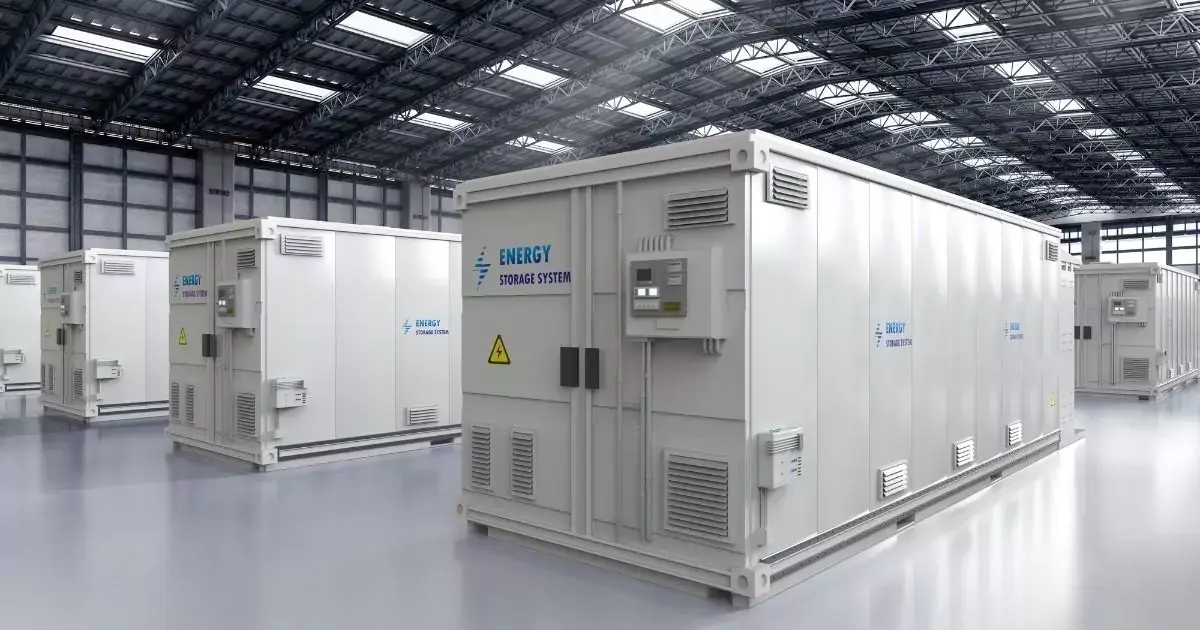
A Battery Energy Storage System is a smart infrastructure that captures electrical energy from the grid or renewables, stores it as chemical energy, and releases it on demand. A typical BESS includes battery modules, a battery management system (BMS), a power conversion system (PCS/inverters), safety and protection devices, HVAC for thermal management, and control software that decides when to charge or discharge. Think of BESS as a precision energy valve: when tariffs spike or the grid is unstable, your BESS delivers clean power; when rates drop or your solar array over-produces, the system absorbs that energy for later. For a deeper engineering dive, check our step-by-step explainer: How Battery Energy Storage Systems Work – 2025 Guide.

Why BESS, and Why Now?

Three trends make BESS a strategic investment today:
  • Tariff pressure and peak charges: By shifting consumption away from expensive hours, BESS cuts bill volatility and demand charges.
  • Reliability and resilience: Load shedding and micro-outages cause production loss and equipment stress. BESS provides seamless backup and power quality support.
  • Renewable integration: Solar and wind are intermittent. BESS captures daytime solar or windy hours and delivers power at night or during calm periods.
As battery costs decline and performance improves, BESS is moving from “nice to have” to “must have” for factories, malls, data centers, hospitals, housing societies, and utility-scale projects in Pakistan.

How BESS Works: From Charging to Discharge

While the components inside a BESS are sophisticated, the operating cycle follows four intuitive stages:
  1. Charging: Energy flows from solar, wind, or the grid into battery modules. Smart controls prefer low-tariff windows or renewable surplus.
  2. Storage: The BMS ensures safe, optimal state of charge, balancing cells and managing temperature with HVAC support.
  3. Conversion: The PCS/inverters convert DC power to AC with high efficiency to serve loads or export to the grid.
  4. Discharge: During peak demand, outages, or power quality events, the system delivers stable electricity instantly.
To visualize these stages and see common architectures (AC-coupled vs. DC-coupled), visit our engineering overview: How BESS Works.

BESS Technologies and Battery Chemistries

Not all batteries are equal. The best choice depends on energy density, cycle life, temperature behavior, safety profile, and cost. Here are the leading options you’ll encounter:
  • Lithium-ion (Li-ion): High energy density, excellent round-trip efficiency, and fast response. Ideal for commercial/industrial sites and hybrid solar systems.
  • LFP (Lithium Iron Phosphate): A Li-ion subtype valued for thermal stability and long cycle life; increasingly popular for stationary storage.
  • NMC/NCA: Higher energy density variants often used where footprint is constrained; careful thermal design is essential.
  • Flow batteries: Scalable electrolyte tanks and exceptional cycle life; well-suited for long-duration storage and frequent cycling.
  • Advanced lead-acid/lead-carbon: Lower capex and proven tech for specific backup scenarios; shorter life than Li-ion.
Explore pros, cons, and selection trade-offs in our dedicated guide: Types of Battery Energy Storage Systems.

Top Applications and Use Cases in Pakistan

BESS is versatile. Below are the use cases we see delivering consistent value for our customers nationwide:
  • Peak shaving and bill reduction: Discharge during billed peaks to flatten the load curve and avoid demand spikes.
  • Backup power and resilience: Ride through outages without downtime or generator spin-up delays; protect critical loads.
  • Solar self-consumption: Store excess PV production and use it later to reduce grid draw at night.
  • Power quality and stability: Improve voltage/frequency stability and reduce flicker and harmonics for sensitive equipment.
  • Microgrids and remote sites: Combine solar/wind with BESS to provide reliable off-grid or weak-grid power.
  • EV charging support: Supply high-power charging without overloading the grid connection; charge BESS off-peak.
See detailed sector-by-sector examples here: BESS Applications.

Sizing, Design, and Optimization

The difference between a good BESS and a great BESS is design. We start with data: interval load profiles, tariff schedules, solar generation curves, outage history, and business priorities. From there, we optimize:
  • Energy capacity (kWh): How long you need to run critical loads or how much peak you want to shave.
  • Power rating (kW): The instantaneous power needed for starting currents, process loads, or EV fast charging.
  • Cycle strategy: Daily cycling for tariff arbitrage vs. occasional backup; impacts battery life and ROI.
  • Coupling architecture: AC-coupled for retrofit simplicity vs. DC-coupled for PV-plus-storage efficiency.
  • Thermal and safety design: HVAC sizing, fire suppression, clearances, and enclosure choice for Pakistan’s climate.
  • Controls & EMS: Rule-based or predictive algorithms to schedule charge/discharge by tariff and weather forecasts.
We document assumptions and provide side-by-side scenarios (e.g., 2-hour vs. 4-hour duration) so stakeholders can choose the best cost-benefit path.

Economics: Savings, Payback, and ROI

BESS creates value in multiple ways, which add up to a strong business case:
  • Tariff arbitrage: Buy low, use high — especially effective with predictable peak windows.
  • Demand charge reduction: Trimming peak kW can unlock significant savings for commercial and industrial customers.
  • Avoided downtime: Prevent revenue loss, scrap, and maintenance penalties caused by unscheduled outages or power dips.
  • Deferred upgrades: Use BESS to meet growth without immediate transformer or service upgrades.
  • Solar value boost: Increase self-consumption and hedge against future tariff escalations.
We model cash flows over the system life, accounting for battery degradation, warranty terms, and maintenance. Typical paybacks vary by site but accelerate when paired with solar, high peak charges, or reliability needs. Our final proposal includes sensitivity testing so you understand upside and downside risks before you invest.

Safety, Standards, and Compliance

Safety is engineered in — not added later. Our designs follow international best practices and component certifications (e.g., IEC/UL for batteries, inverters, and protection systems). Core elements include:
  • Battery Management System (BMS): Continuous cell health monitoring, balancing, and fault detection.
  • Thermal management (HVAC): Keeps temperature in the optimal envelope for performance and life.
  • Fire detection and suppression: Early warning plus appropriate extinguishing technologies for the chemistry used.
  • Electrical protections: Breakers, fuses, relays, earthing, surge protection, and isolation procedures.
  • Enclosure and clearances: Proper ingress protection, ventilation, access control, and maintenance pathways.
  • Commissioning and training: Checklists, test scripts, and operator handover with documentation.
With Gravity Engineering Solutions, compliance and documentation come standard — from single-line diagrams to O&M manuals and emergency procedures.

Installation, Commissioning, and Maintenance

A BESS is only as good as its install and upkeep. We deliver a full project lifecycle:
  1. Site survey & data collection: Load study, tariff review, solar resource, and space assessment.
  2. Engineering & design: Equipment selection, layout, protections, thermal design, and controls.
  3. Procurement & logistics: Certified components, factory acceptance, and delivery planning.
  4. Installation & commissioning: Mechanical/electrical works, safety checks, performance verification.
  5. Training & handover: Operator guidance, manuals, and response protocols.
  6. Monitoring & O&M: Remote analytics, preventive maintenance, warranty management, lifecycle planning.
For an operations-focused view of our services, read: BESS Installation & Maintenance.

Why Choose Gravity Engineering Solutions?

We are engineers first and last. Our value lies in careful listening, rigorous modeling, and precise execution. Customers choose us because we:
  • Design around your actual load profile and business priorities — not a one-size-fits-all kit.
  • Implement proven, certified components with bankable warranties.
  • Balance technical performance with economic outcomes to maximize ROI.
  • Support you for the full lifecycle with monitoring, maintenance, and upgrade paths.
Explore everything we offer on our primary service page: Battery Energy Storage System.

A Quick Scenario: From Pain Points to Performance

Consider a manufacturing facility in Islamabad facing high evening tariffs and weekly outages. After a one-month data capture, our engineers sized a 1 MW / 2 MWh BESS. The system now charges from solar and off-peak grid supply, then discharges through the evening peak and during brief outages. The results: flatter demand profile, fewer process interruptions, improved power quality for sensitive drives, and a predictable payback driven by tariff arbitrage plus avoided downtime. Similar results are achievable for malls, hospitals, data centers, housing societies, and microgrids — with sizing tailored to each load profile.

Learn More About BESS

Buyer’s Tips: Getting the Most from Your BESS Investment

  • Insist on data-driven sizing: Ask for a design based on interval data, not just averages.
  • Check cycle counting and warranty terms: Align your use case (daily cycling vs. backup) with the battery’s warranted cycles.
  • Consider long-duration needs early: If your site needs extended backup, explore multi-hour duration or hybrid chemistries.
  • Evaluate thermal design: Pakistan’s climate demands robust HVAC and ventilation for performance and safety.
  • Plan for integration: Ensure compatibility with your solar inverters, gensets, switchgear, and monitoring systems.
  • Model future tariffs and growth: Include escalators and potential load increases in your ROI model.
  • Prioritize serviceability: Clear access, spares availability, and defined O&M procedures save money over time.

Next Steps: Start Your BESS Project with Gravity Engineering Solutions

If you’re ready to cut energy costs, secure reliable backup, and turn solar into round-the-clock power, let’s start with a quick assessment. We’ll review your load data, tariff structure, and site constraints, then share a clear design and ROI model tailored to your objectives.

Learn More About Our BESS Solutions Installation & Maintenance

About Gravity Engineering Solutions: We design, build, and maintain high-performance Battery Energy Storage Systems for industrial, commercial, residential, and utility clients across Pakistan — combining engineering rigor with practical, measurable outcomes.
For more in-depth information about global Battery Energy Storage Systems, you can visit U.S. Department of Energy – Energy Storage Overview . This resource provides detailed insights into the latest advancements, safety standards, and research in energy storage technologies.  

visit the International Renewable Energy Agency (IRENA) – Energy Storage , which provides global reports, market data, and case studies.