Solar System Installation in Pakistan (5kW to 1MW+)
Energy in Pakistan is no longer just a utility bill. It is a balance sheet variable, a production risk, and a competitive advantage — or a silent liability.
From Islamabad’s residential expansions to Lahore’s industrial corridors and Karachi’s commercial high-rises, electricity instability and tariff escalation are reshaping financial planning across every sector.
The solution is not simply “installing solar panels.” The solution is engineered solar energy infrastructure designed for scale, resilience, and maximum ROI.
Gravity Engineering Solutions develops and executes solar systems ranging from 5kW residential installations to 1MW+ industrial EPC solar power plants, fully integrated with advanced Battery Energy Storage Systems (BESS).
This guide is the definitive 2026 blueprint for solar system installation in Pakistan.
Pakistan’s Energy Reality – Solar is No Longer Optional
Electricity tariffs in Pakistan have steadily increased over the past decade. Industrial operators in Lahore report margin pressure directly tied to energy volatility. Commercial property owners in Karachi face high peak demand charges, while Islamabad residents encounter seasonal tariff spikes.
At the same time, Pakistan receives exceptional solar irradiation — among the strongest in South Asia.
Global data from the International Energy Agency (IEA) shows that decentralized solar generation combined with storage is one of the most financially resilient infrastructure investments in emerging markets.
Locally, net metering regulations enforced by the National Electric Power Regulatory Authority (NEPRA) are accelerating distributed solar adoption.
Economics are simple:
- Grid electricity = recurring liability
- Engineered solar + BESS = capital asset
By 2026, businesses are investing in assets, not liabilities.
Engineering vs Basic Installation – The Hidden Performance Gap
The Pakistani solar market is crowded. Most companies install equipment; few engineer energy systems.
An engineered solar project includes:
- Load curve analytics (hour-by-hour demand modeling)
- Harmonic distortion assessment
- Transformer compatibility analysis
- Wind-load & structural integrity modeling
- Protection relay coordination
- SCADA performance monitoring integration
- Battery discharge-cycle optimization (for BESS)
Without engineering, projected ROI rarely matches actual performance.
Gravity Engineering Solutions operates at EPC level — Engineering, Procurement & Construction — ensuring calculated performance.
Solar Capacity Architecture – From 5kW Homes to 1MW Industrial Power Plants
Capacity is not just about size; it is about design intent.
5kW Solar Systems – Residential Autonomy
Optimized for modern households with air conditioning and daytime loads.
10kW–15kW Systems – Premium Residential & Small Enterprises
Supports higher loads and optional lithium BESS integration.
20kW–100kW Systems – Commercial Infrastructure
Designed for corporate offices, educational institutions, healthcare facilities, and retail plazas.
250kW–500kW Systems – Industrial Mid-Scale Power
Common for textile units, cold storages, and warehouses.
1MW+ Solar Plants – Industrial Energy Transformation
Large-scale solar infrastructure integrated with high-voltage grid synchronization and optional BESS for peak stabilization.
BESS Foundation – Storage is the Future of Energy Control
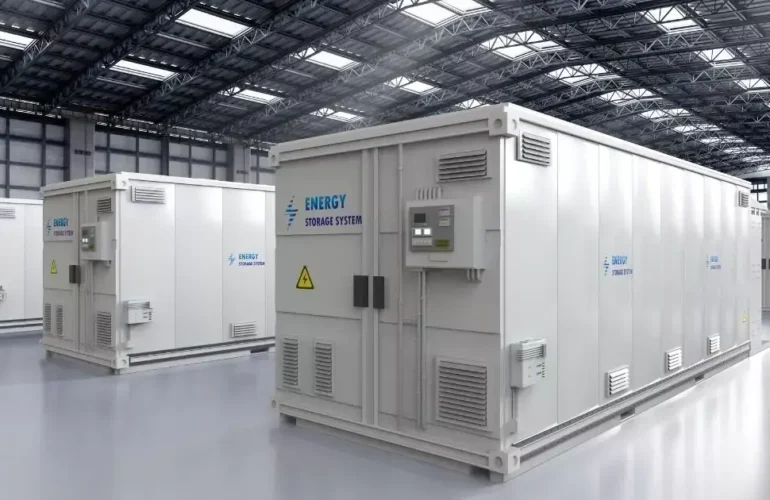
Solar generates energy; BESS controls it. In Pakistan’s evolving grid, storage is essential.
- Peak load shaving
- Outage immunity
- Tariff arbitrage
- Demand charge reduction
- Grid frequency stabilization
For factories in Karachi, BESS eliminates downtime risk. For commercial plazas in Lahore, it reduces peak penalties. For residential clients in Islamabad, it provides uninterrupted backup.
Residential Solar Systems (5kW–15kW) – Engineering Smart Independence
In Islamabad, Rawalpindi, and other major cities, residential solar adoption is no longer a trend; it is a long-term financial hedge. Gravity Engineering Solutions designs each 5kW to 15kW solar system based on actual household load curves, ensuring maximum energy efficiency and ROI.
Key Engineering Considerations:
- Daytime vs nighttime consumption analysis
- Inverter load tolerance margin
- Roof tilt optimization for annual solar yield
- Net metering export capacity compliance
- Optional lithium BESS sizing for evening energy autonomy
With rising electricity tariffs, professionally engineered residential solar systems typically achieve payback within 3–5 years. Panel lifespans exceed 25 years, providing decades of financial and energy security.
Commercial Solar Infrastructure (20kW–250kW) – Operational Cost Optimization
Commercial buildings operate primarily during peak daylight hours — exactly when solar energy generation is strongest. Aligning consumption with production creates maximum financial leverage.
For commercial properties in Lahore, Karachi, and Sargodha, engineered solar systems reduce daytime tariffs and lower demand charges. Paired with BESS, facilities can discharge stored power strategically, minimizing peak-hour energy costs.
Strategic Advantages:
- Direct peak-hour cost reduction
- Lower operational volatility
- Brand sustainability positioning
- Improved asset valuation
- Enhanced ESG compliance for corporate reporting
Gravity Engineering Solutions delivers complete commercial solar solutions including system design, installation, BESS integration, and long-term maintenance.
Residential Solar Case Study – Islamabad 10kW System
System Size: 10kW On-Grid Hybrid
Annual Generation: Optimized for Islamabad solar irradiation
BESS Integration: 10kWh Lithium Battery (optional)
Impact:
- 80% daytime grid offset
- Net metering export credit applied
- Payback: 3–4 years
- 25-year lifecycle savings: Substantial reduction in household energy expenses
- Energy autonomy during peak tariff periods
These results highlight why residential solar is rapidly becoming a capital asset rather than just an energy solution.
Commercial Solar Case Study – Lahore Office Plaza 100kW
Peak Daytime Consumption: High business-hour load
Tariff Class: Commercial
BESS Integration: 50kWh for peak shaving and demand management
Financial Effects:
- Peak-hour energy offset reduces operating costs
- Maximum demand reduction achieved via BESS
- Capital recovery within 2–4 years
- Improved commercial property valuation and sustainability branding
Strategic deployment of solar + BESS aligns energy supply with demand, increasing operational efficiency and financial predictability.
Get Started – Residential & Commercial Solar Engineering
Whether you are a homeowner in Islamabad or managing a commercial facility in Lahore or Karachi, Gravity Engineering Solutions provides:
- Load analysis & system sizing
- Professional EPC solar installation
- Battery storage integration
- Net metering application support
- Long-term monitoring & maintenance
Request Your Free Residential/Commercial Solar Consultation
Serving Islamabad | Rawalpindi | Lahore | Karachi | Sargodha | Peshawar | Nationwide Pakistan
Industrial & EPC Solar Projects (500kW–1MW+) – Infrastructure-Grade Engineering
Industrial solar systems are not simply scaled-up residential setups. They are fully integrated, high-capacity energy infrastructures designed for operational continuity and financial optimization.
Gravity Engineering Solutions executes comprehensive EPC projects, including:
- Full energy audit & load profiling
- Transformer capacity evaluation
- Short-circuit & protection relay coordination study
- High-voltage interconnection design
- SCADA monitoring & remote diagnostics
- Commissioning & performance benchmarking
For industrial facilities in Lahore, Karachi, and Sargodha, 1MW+ solar plants significantly reduce long-term energy costs, stabilize production, and enhance competitiveness.
Net Metering in Pakistan – Step-by-Step Regulatory Process
Net metering allows solar system owners to export surplus electricity to the grid, creating additional financial benefits. The process is regulated by the National Electric Power Regulatory Authority (NEPRA) and local DISCOs.
Approval Process Overview:
- System design submission to DISCO
- Load verification by DISCO engineers
- Technical inspection of panels and inverters
- Bi-directional meter installation
- Operational approval and grid synchronization
Professional documentation and compliance with Gravity Engineering Solutions’ EPC standards accelerate approval and reduce delays.
Advanced BESS Architecture – Lithium, LFP & Industrial Storage
Battery Energy Storage Systems (BESS) are transforming Pakistan’s solar industry. Solar generates energy; BESS controls, stores, and optimizes it for peak performance.
Primary Battery Technologies:
1. Lithium-Ion (NMC)
- High energy density for space-constrained installations
- Compact footprint ideal for commercial facilities
- Rapid charge-discharge capability
2. Lithium Iron Phosphate (LFP)
- Superior thermal stability and safety
- Extended cycle life for industrial applications
- Optimal for large-scale energy storage integration
Industrial BESS Applications:
- Peak load shaving and tariff reduction
- Demand charge management
- Emergency backup during grid outages
- Grid frequency stabilization
- Hybrid solar system integration for maximum ROI
In Karachi and Lahore industrial zones, BESS integration ensures zero downtime and energy cost predictability. Explore Our BESS & Backup Solutions
Industrial Case Study – 1MW Solar Plant Transformation
Consider a Karachi manufacturing facility operating 24/7:
Without solar:
- High peak-hour tariff exposure
- Production cost variability due to grid outages
- Inflation-linked energy risk
With 1MW solar + engineered BESS:
- Majority daytime load offset by solar
- Peak shaving and demand control via BESS
- Reduced exposure to tariff inflation
- Enhanced production stability
- Payback within 2–3 years depending on load profile
This industrial solar infrastructure converts recurring energy costs into predictable, capitalized assets, transforming cost structures and competitiveness.
Get Started – Industrial & EPC Solar Projects
For industrial facilities seeking 500kW–1MW+ solar plants with advanced BESS integration, Gravity Engineering Solutions offers:
- Full EPC project execution
- High-voltage grid synchronization
- SCADA monitoring & remote diagnostics
- Battery storage & hybrid solar engineering
- Regulatory compliance and net metering support
- Ongoing maintenance & performance optimization
Book Your Free Industrial Solar Consultation
Serving Lahore | Karachi | Sargodha | Islamabad | Rawalpindi | Peshawar | Nationwide Pakistan
City-Specific Solar System Installation & Strategy Across Pakistan
Islamabad – Residential & High-End Adoption
Islamabad boasts high residential solar penetration. 5kW–15kW systems with hybrid lithium BESS are increasingly preferred for energy autonomy and net metering credits. Gravity Engineering Solutions provides turnkey residential solutions optimized for household load curves.
Rawalpindi – Mid-Scale Commercial Growth
Rawalpindi shows growing demand for 20kW–100kW commercial solar systems. Small industries, office complexes, and retail plazas reduce daytime tariff exposure through engineered solar + BESS integration.
Lahore – Industrial & Large-Scale EPC Projects
Lahore’s industrial zones drive large-scale EPC demand. Textile mills, factories, and warehouses deploy 500kW–1MW+ solar plants to manage costs and protect margins. Gravity Engineering Solutions ensures full EPC delivery with grid synchronization and SCADA monitoring.
Karachi – Commercial & Industrial BESS Integration
Karachi represents the most dynamic solar + BESS market. Frequent grid fluctuations and high daytime tariffs necessitate 250kW–1MW hybrid solar projects. Industrial-grade BESS ensures zero downtime for critical operations.
Sargodha – Agricultural & Processing Solar Adoption
Mid-scale solar adoption in agriculture and cold storage is rising. Gravity Engineering Solutions customizes 50kW–250kW systems for farming, processing, and storage facilities.
Peshawar – Reliability-Focused Hybrid Systems
Hybrid solar systems dominate demand in Peshawar due to reliability concerns. Commercial and industrial facilities prioritize BESS-integrated solar installations to secure operational continuity.
Gravity Engineering Solutions delivers nationwide EPC solar & BESS infrastructure across Pakistan.
The Gravity Engineering Advantage – EPC Leadership in Pakistan
What sets Gravity Engineering Solutions apart:
- Complete Engineering, Procurement & Construction (EPC) capability
- Tier-1 solar panel and inverter selection
- Industrial-grade BESS architecture
- Grid-compliant net metering documentation
- SCADA monitoring and remote diagnostics
- Full lifecycle maintenance planning
- Financial modeling and ROI-focused system design
We engineer energy infrastructure — not just install panels. Our turnkey approach ensures long-term reliability, financial optimization, and energy independence for residential, commercial, and industrial clients.
Master FAQ – Solar System Installation & BESS in Pakistan
1. What is the cost of a 5kW solar system in Pakistan?
Pricing varies by panel efficiency, inverter quality, and installation specifics. Gravity Engineering Solutions provides professional site surveys for precise costing.
2. Can industries install 1MW+ solar systems?
Yes, large facilities frequently deploy 500kW–multi-megawatt solar plants via full EPC execution.
3. Is net metering available nationwide?
Yes, subject to DISCO approval and NEPRA regulations.
4. What is BESS in solar systems?
BESS (Battery Energy Storage System) stores excess solar energy for peak demand or outage use.
5. Which battery technology is best for industrial use?
Lithium Iron Phosphate (LFP) is preferred for industrial BESS due to safety and long life.
6. What is the ROI period for industrial solar?
Typically 2–3 years depending on load and tariff class.
7. How long do solar panels last?
Most Tier-1 panels have 25-year performance warranties.
8. Do commercial buildings benefit more than residential?
Yes, commercial load aligns directly with solar generation hours for maximum ROI.
9. Can BESS reduce demand charges?
Yes, properly engineered BESS reduces peak demand billing thresholds.
10. How long does installation take?
Residential: 5–10 days. Industrial EPC: varies by scale and grid compliance.
11. Is solar safe for industrial transformers?
Yes, with proper protection relay coordination and synchronization.
12. Can solar power heavy machinery?
Yes, with engineered inverter and load design.
13. Does BESS work during grid outages?
Yes. Hybrid systems operate independently during outages.
14. Does solar increase property value?
Yes, energy infrastructure improves commercial and industrial asset valuation.
15. Can I expand my system later?
Yes, systems can be designed for future expansion.
16. Why choose an EPC solar contractor?
EPC contractors like Gravity Engineering Solutions ensure long-term performance, regulatory compliance, and ROI optimization.
Book Your Free Engineering Consultation & Site Survey
Gravity Engineering Solutions provides turnkey EPC solar and BESS solutions for:
- 5kW–15kW residential systems
- 20kW–250kW commercial solar infrastructure
- 500kW–1MW+ industrial EPC solar plants
- Advanced BESS integration for reliability and cost optimization
Book Your Free Engineering Site Survey
Serving Islamabad | Rawalpindi | Lahore | Karachi | Sargodha | Peshawar | Nationwide Pakistan
Comprehensive Guide to Solar System Installation in Pakistan
Solar System Installation in Pakistan has become an essential strategic decision for households, businesses, and industries in 2026. Rising electricity tariffs, grid instability, and increasing demand for energy independence have accelerated the adoption of Solar System Installation in Pakistan across residential, commercial, and industrial sectors.
Today, Solar System Installation in Pakistan is no longer just an alternative energy option—it is a long-term infrastructure investment. With abundant sunlight, supportive net metering policies, and advancements in Battery Energy Storage Systems (BESS), engineered solar installations now provide reliable electricity, cost savings, and energy resilience for decades.

Why Solar System Installation in Pakistan is Critical
Pakistan receives some of the highest solar irradiation levels in South Asia, making Solar System Installation in Pakistan an extremely efficient energy solution. Residential rooftops, commercial plazas, factories, and industrial plants can generate their own electricity while integrating battery storage systems for backup power and load management.
- Residential Impact: Solar System Installation in Pakistan enables homeowners to reduce electricity bills, gain reliable backup during outages, and increase property value.
- Commercial Advantage: Businesses adopting Solar System Installation in Pakistan can reduce peak electricity costs and improve sustainability performance.
- Industrial Strategy: Industrial Solar System Installation in Pakistan stabilizes operational energy costs and improves long-term profitability.
Table of Contents for This Extended Guide on Solar System Installation in Pakistan
- Types of Solar Systems in Pakistan
- Step-by-Step Installation Process
- BESS Integration for Optimal Energy Management
- Net Metering & Regulatory Compliance
- City-Specific Solar Installation Strategies
- Common Mistakes in Solar System Installation in Pakistan
- Financial Analysis & ROI Projection
- Extended FAQs on Solar System Installation in Pakistan
Types of Solar System Installation in Pakistan
Professional Solar System Installation in Pakistan typically falls into several categories depending on electricity usage, grid connectivity, and operational requirements.
- On-Grid Solar System: The most common Solar System Installation in Pakistan connects directly with the national electricity grid. Surplus energy can be exported through net metering, significantly improving financial returns.
- Off-Grid Solar System: Off-grid Solar System Installation in Pakistan is suitable for remote locations with unreliable grid access. These systems rely heavily on BESS for night-time electricity supply.
- Hybrid Solar System: Hybrid Solar System Installation in Pakistan combines grid connectivity with battery storage. This configuration offers maximum reliability and operational flexibility.
- Industrial Solar System (500kW – 1MW+): Large-scale Solar System Installation in Pakistan for industrial plants includes EPC engineering, transformer coordination, and SCADA monitoring.
- 5kW – 15kW Residential Systems: Residential Solar System Installation in Pakistan provides cost-effective rooftop energy generation for households.
- 20kW – 250kW Commercial Systems: Commercial Solar System Installation in Pakistan helps offices, malls, hospitals, and schools reduce electricity costs significantly.
Step-by-Step Solar System Installation in Pakistan
A professional Solar System Installation in Pakistan follows a structured engineering process to ensure safety, efficiency, and long-term reliability.
- Site Assessment: Engineers evaluate electricity consumption patterns and determine the optimal capacity for Solar System Installation in Pakistan.
- System Design: Detailed engineering design includes panel placement, inverter selection, wiring layout, and BESS configuration.
- Procurement: High-quality components such as Tier-1 solar panels and industrial inverters are selected for reliable Solar System Installation in Pakistan.
- Civil Works: Structural preparation ensures rooftops or ground-mounted structures can safely support the solar infrastructure.
- Installation: The physical Solar System Installation in Pakistan includes mounting panels, connecting inverters, and installing protection devices.
- Testing & Commissioning: Engineers verify electrical performance and system efficiency before operational handover.
- Net Metering Approval: Proper documentation ensures the Solar System Installation in Pakistan qualifies for grid export benefits.
- Maintenance Planning: Regular monitoring and maintenance extend the lifespan of the Solar System Installation in Pakistan.
BESS Integration in Solar System Installation in Pakistan
Battery Energy Storage Systems significantly enhance the performance of Solar System Installation in Pakistan by storing excess electricity generated during the day for later use.
- Peak shaving and tariff optimization
- Backup electricity during grid outages
- Load shifting for commercial facilities
- Energy independence for residential users
Net Metering for Solar System Installation in Pakistan
Net metering plays a crucial role in improving the financial viability of Solar System Installation in Pakistan. By exporting surplus electricity to the grid, system owners receive credits that reduce electricity bills.
- Design approval submission
- Technical inspection by DISCO
- Bi-directional meter installation
- Grid synchronization
- Continuous monitoring and reporting
City-Specific Solar System Installation in Pakistan
The demand for Solar System Installation in Pakistan varies by city depending on electricity tariffs, grid stability, and infrastructure development.
- Islamabad & Rawalpindi: Residential Solar System Installation in Pakistan dominates due to high net metering adoption.
- Lahore: Commercial and industrial Solar System Installation in Pakistan continues to grow rapidly.
- Karachi: Hybrid Solar System Installation in Pakistan with BESS is essential for commercial facilities.
- Sargodha: Agricultural Solar System Installation in Pakistan supports processing plants and farms.
- Peshawar: Hybrid systems are common for reliable Solar System Installation in Pakistan.
Common Mistakes in Solar System Installation in Pakistan
- Ignoring detailed energy consumption analysis
- Selecting low-quality equipment
- Poor structural planning before Solar System Installation in Pakistan
- Improper battery storage design
- Unqualified installers performing Solar System Installation in Pakistan
Financial Analysis of Solar System Installation in Pakistan
A well-engineered Solar System Installation in Pakistan offers excellent financial returns through long-term energy savings and reduced electricity dependency.
- Payback period analysis
- Tariff inflation forecasting
- Battery lifecycle cost optimization
- Operational savings projection
- 25-year financial modeling
Extended FAQs on Solar System Installation in Pakistan
1. How do I determine the correct system size?
The correct Solar System Installation in Pakistan size depends on your monthly electricity consumption and available installation space.
2. Can BESS be added later?
Yes, most hybrid Solar System Installation in Pakistan designs allow battery storage expansion in the future.
3. Does solar require maintenance?
Yes, periodic cleaning and monitoring are recommended for optimal Solar System Installation in Pakistan performance.
4. Is solar safe for industrial operations?
Professional Solar System Installation in Pakistan includes protection systems to ensure safe industrial operation.
5. Can solar eliminate electricity bills?
A properly designed Solar System Installation in Pakistan can offset 70–90% of electricity consumption, especially when combined with BESS.