Solar Energy Solutions in Pakistan – Sustainable & Cost-Effective Power
Discover a comprehensive guide to Solar Energy Solutions in Pakistan, including system types, installation benefits, pricing trends, and residential & commercial applications. Learn how to save on electricity bills, reduce carbon footprint, and adopt renewable energy efficiently.
1) Introduction: Solar Energy Solutions in Pakistan
Pakistan receives an abundance of sunlight, with over 300 sunny days annually, making it a prime location for solar energy production. However, rising electricity costs, frequent load-shedding, and growing energy demands make traditional energy sources unsustainable. This is where Solar Energy Solutions in Pakistan play a crucial role in providing cost-effective, eco-friendly, and reliable power for households, businesses, and industries.
Implementing Solar Energy Solutions in Pakistan ensures energy independence, reduces utility bills, and contributes to a cleaner environment. Companies like Gravity Engineering Solutions provide expert consultation and top-quality solar panels to design the most efficient systems tailored for residential and commercial needs. Understanding the types of solar panels, system sizes, and installation costs is essential for making an informed investment.
2) Benefits of Solar Energy Solutions in Pakistan
- Lower Electricity Bills: Generate your own electricity and reduce monthly expenses significantly.
- Environmentally Friendly: Solar energy reduces carbon emissions, helping combat climate change.
- Energy Independence: Solar systems, especially when paired with batteries, provide uninterrupted power during load-shedding.
- Long-Term Investment: High-quality solar panels offer warranties up to 25 years, delivering consistent returns.
- Government Incentives: Programs like net metering, subsidies, and tax benefits reduce upfront installation costs.
- Property Value Increase: Properties with solar installations are more attractive to buyers and have higher resale value.
- Remote Off-Grid Solutions: Solar provides electricity to areas without reliable grid access.
- Job Creation: Growing the solar industry generates employment in installation, maintenance, and support services.
3) Types of Solar Panels and Systems
Monocrystalline Solar Panels
Monocrystalline panels are made from a single silicon crystal, giving them a sleek black appearance. They are highly efficient, durable, and ideal for residential rooftops with limited space. Monocrystalline panels are known for their high energy conversion rate, typically ranging from 18% to 22%, which means they produce more electricity per square meter compared to other types.
- High efficiency: 18–22%
- Durable: 25+ years lifespan
- Space-saving design, suitable for smaller rooftops
- Excellent low-light performance
- Minimal degradation over time
Polycrystalline Solar Panels
Polycrystalline panels are constructed from multiple silicon crystals, giving them a bluish color. These panels are less expensive but slightly less efficient than monocrystalline. They are ideal for larger rooftops or open areas where space is not a constraint.
- Efficiency: 14–17%
- Lower upfront cost
- Suitable for large roof installations
- Environmentally friendly manufacturing process
Thin-Film Solar Panels
Thin-film panels are lightweight and flexible, making them ideal for commercial, industrial, and off-grid applications. Though less efficient than crystalline panels, they are easy to install and cost-effective for large-scale projects.
- Lightweight and flexible
- Lower installation costs
- Best for large open areas or unconventional surfaces
- Affordable but lower efficiency
Hybrid Solar Energy Solutions in Pakistan
Hybrid solar systems combine the benefits of solar panels with battery storage. These systems store excess energy generated during the day and provide power during load-shedding or nighttime. Hybrid solutions are perfect for households and businesses seeking uninterrupted electricity.
- Continuous power supply during outages
- Reduces reliance on the national grid
- Maximizes energy savings
- Suitable for areas with frequent power interruptions
Solar Water Pumping Systems
Solar-powered water pumps are widely used in agriculture, livestock, and rural areas without grid access. They reduce electricity costs and provide sustainable water solutions, even in remote locations.
- Eco-friendly irrigation solutions
- Reduces fuel and electricity expenses
- Long-term durability
- Perfect for farms and rural communities
4) Factors to Consider Before Installation of Solar Energy Solutions in Pakistan
- Energy Requirements: Determine your monthly electricity consumption to choose the right system size. Residential systems usually range from 3–10kW, while commercial installations can go up to 100kW or more.
- Roof Space: Monocrystalline panels are more efficient in limited spaces, while polycrystalline panels require larger areas.
- Budget: Initial costs vary by panel type and system size. Monocrystalline panels have higher upfront costs but higher efficiency, whereas polycrystalline and thin-film panels are more affordable.
- Climate Conditions: Consider heat, dust, humidity, and sunlight exposure. Monocrystalline performs better in low-light conditions, while thin-film panels tolerate high temperatures well.
- Maintenance: High-quality solar panels require minimal maintenance, usually periodic cleaning and inspection.
- Government Regulations: Check eligibility for incentives, net metering, and subsidies to maximize savings.
- Battery Storage Options: Consider hybrid systems with battery storage for uninterrupted power during load-shedding.
5) Residential vs Commercial Solar Energy Solutions in Pakistan
Residential solar systems typically range from 3kW to 10kW, designed to meet household electricity needs. These systems can often feed excess power back to the grid through net metering. Adding battery storage ensures uninterrupted electricity during outages.
Commercial solar solutions range from 20kW to several hundred kW, depending on office buildings, factories, or warehouses. Businesses investing in Solar Energy Solutions in Pakistan benefit from lower operational costs, reduced carbon footprint, and improved corporate image. Proper design, high-quality panels, and professional installation are essential to achieve maximum ROI and efficiency.
6) FAQs on Solar Energy Solutions in Pakistan
- How much does a solar system cost? Residential 5kW systems cost around PKR 1,200,000–1,500,000, depending on panel type and installation. Commercial systems vary widely. Learn more about renewable energy trends.
- How long do solar panels last? High-quality panels last 25–30 years, retaining up to 80–90% efficiency after 20 years.
- Do solar panels work during load-shedding? Yes, hybrid systems with batteries provide continuous power.
- Are solar systems expensive? Costs have dropped, and government incentives make them affordable and profitable in the long term.
- Can solar panels work in winter or cloudy days? Yes, they still produce electricity, though efficiency may slightly decrease.
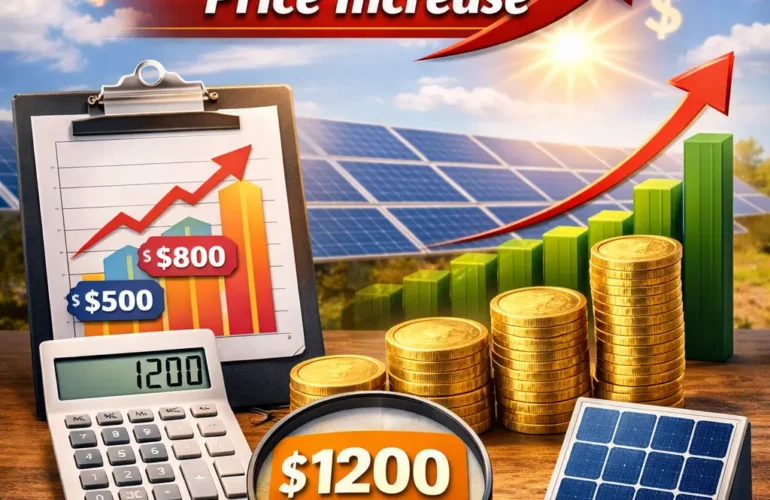
7) Comprehensive Pricing Guide on Solar Energy Solutions in Pakistan
Understanding the cost structure is crucial before investing in Solar Energy Solutions in Pakistan. Prices depend on system size, panel type, brand, installation complexity, and location. Below is a detailed guide for 2025:
Residential Solar Systems
Residential systems are designed to meet household energy needs, typically ranging from 3kW to 10kW.
- 3kW system: PKR 720,000–900,000
- 5kW system: PKR 1,200,000–1,500,000
- 7kW system: PKR 1,700,000–2,100,000
- 10kW system: PKR 2,400,000–3,000,000
Commercial Solar Systems
Commercial systems are larger, ranging from 20kW to several hundred kW for offices, factories, and warehouses.
- 20kW system: PKR 4,800,000–6,000,000
- 50kW system: PKR 12,000,000–15,000,000
- 100kW system: PKR 24,000,000–30,000,000
- 200kW system: PKR 48,000,000–60,000,000
Costs fluctuate based on panel brand, seasonal demand, and installation quality. Summer months generally see higher demand and slightly increased costs. For precise pricing and quotations, contact certified providers like Gravity Engineering Solutions.
8) Government Incentives & Net Metering Benefits
The government of Pakistan is actively promoting renewable energy adoption through various programs, making Solar Energy Solutions in Pakistan more affordable and profitable. Key incentives include:
Net Metering
Net metering allows households and businesses to feed excess electricity back to the national grid, earning credit for future energy bills. This is regulated by the National Electric Power Regulatory Authority (NEPRA).
Tax Incentives and Subsidies
The government provides tax breaks, reduced import duties on solar equipment, and subsidies for eligible users. These measures significantly lower the upfront investment for solar installations.
Low-Interest Financing Options
Several banks and financial institutions offer low-interest loans and installment plans for solar system installations, making it easier for both residential and commercial users to invest in renewable energy.
By leveraging these incentives, businesses and homeowners can maximize ROI and enjoy uninterrupted power supply while contributing to Pakistan’s sustainable energy goals.
9) Environmental and Financial Advantages
Adopting Solar Energy Solutions in Pakistan offers significant environmental and economic benefits:
Environmental Benefits
- Reduces greenhouse gas emissions and air pollution.
- Supports global sustainability and climate change mitigation.
- Decreases dependency on fossil fuels.
- Promotes renewable energy adoption nationwide.
Financial Benefits
- Significant reduction in monthly electricity bills.
- Long-term savings with high-quality panels (25+ years warranty).
- Potential income from net metering.
- Increased property value for solar-equipped homes and businesses.
- Return on investment typically within 4–6 years depending on system size and energy usage.
Overall, investing in solar energy provides both ecological benefits and financial security, making it a smart long-term strategy for Pakistan’s energy landscape.
10) Choosing the Right Solar Panel Supplier
Selecting a reputable supplier ensures proper installation, high-quality components, and ongoing support. Consider the following when choosing a supplier:
- Certified products and professional installation.
- Transparent pricing and quotations.
- Reliable after-sales support and maintenance services.
- Experience in residential and commercial projects.
- Ability to provide hybrid or customized solutions.
Gravity Engineering Solutions, for example, offers expert consultation, certified solar panels, and end-to-end installation services across Pakistan. Partnering with a trusted provider ensures optimal performance, durability, and maximum energy output.
11) Conclusion: Invest in Solar Energy Solutions in Pakistan
Solar energy is no longer just an environmentally conscious choice—it is a financially smart investment. By adopting Solar Energy Solutions in Pakistan, homeowners and businesses can enjoy long-term energy savings, uninterrupted power, and reduced carbon emissions. With modern technology, government incentives, and professional installation services, switching to solar energy is easier and more profitable than ever.
Whether for residential rooftops, commercial offices, factories, or remote areas, solar energy offers a sustainable, cost-effective, and environmentally friendly solution. Contact Gravity Engineering Solutions for consultation, installation, and customized solar solutions tailored to your energy needs. Go green, save energy, and secure a sustainable future for Pakistan.
12) Step-by-Step Guide to Installing Solar Energy Solutions in Pakistan

Installing solar panels may seem complicated, but with proper planning and professional support, it’s straightforward. Here’s a detailed guide for residential and commercial installations:
Step 1: Energy Assessment
Begin by evaluating your current energy consumption. Calculate your monthly electricity usage in kWh. This will determine the size of the solar system required for your home or business.
Step 2: Choosing the Right Solar Energy Solutions in Pakistan
Select high-quality solar panels based on efficiency, durability, and space availability. Monocrystalline panels are ideal for limited rooftop space, while polycrystalline is cost-effective for larger areas. Thin-film panels work well for industrial or off-grid projects.
Step 3: Selecting a Certified Installer
Work with a certified solar supplier to ensure proper installation, warranty coverage, and post-installation support. Gravity Engineering Solutions is an example of a trusted provider in Pakistan.
Step 4: Roof Assessment & Mounting
Inspect the roof structure for strength and orientation. Proper mounting ensures maximum sunlight exposure and reduces wear over time. Use durable mounting systems suitable for Pakistan’s climate.
Step 5: Wiring & Inverter Setup
Install the inverter to convert DC electricity from the panels into AC electricity for your home or business. Ensure all wiring is compliant with safety standards to avoid electrical hazards.
Step 6: Solar Energy Solutions in Pakistan System Testing
Test the system for efficiency and functionality. Ensure all panels, inverters, and battery backups are working optimally before finalizing the installation.
Step 7: Monitoring & Maintenance
Use monitoring software to track energy production and detect issues early. Schedule periodic cleaning and inspection to maintain optimal efficiency and extend the lifespan of your solar system.
13) Solar Battery Storage & Hybrid Solutions
Battery storage and hybrid solar systems are essential for uninterrupted power supply during load shedding or night hours. Here’s what you need to know:
Solar Batteries in Pakistan
Solar batteries store excess energy generated during the day for use at night or during power outages. Popular options include lithium-ion, lead-acid, and gel batteries.
- Lithium-ion: High efficiency, long lifespan (10–15 years), low maintenance.
- Lead-acid: Cost-effective, moderate efficiency, shorter lifespan (3–5 years).
- Gel batteries: Maintenance-free, safe, ideal for residential use.
Hybrid Solar Energy Solutions in Pakistan
Hybrid systems combine grid electricity, solar panels, and battery storage. They ensure:
- Continuous power supply during outages.
- Maximum utilization of solar energy.
- Reduced dependency on grid electricity.
- Better ROI due to energy efficiency.
Choosing the right battery type and capacity depends on your energy needs, budget, and backup requirements. Consult professionals for tailored solutions.
14) Case Studies of Successful Solar Installations in Pakistan
Real-world examples illustrate the benefits of Solar Energy Solutions in Pakistan:
Residential Case Study: Karachi Home
A 5kW monocrystalline system installed on a Karachi rooftop reduced electricity bills by 80% annually. With battery backup, the household remained unaffected during frequent load shedding. The ROI was achieved within 5 years.
Commercial Case Study: Lahore Factory
A 50kW polycrystalline system was installed at a manufacturing unit in Lahore. The system reduced monthly operational costs by PKR 350,000 and lowered the factory’s carbon footprint by 60 tons of CO₂ per year. Net metering generated additional revenue.
Off-Grid Project: Rural School in Sindh
A 10kW hybrid solar system with battery storage powered a rural school in Sindh. The system enabled uninterrupted electricity for lighting, computers, and fans, improving learning conditions while eliminating diesel generator costs.
15) Solar Panel Maintenance Tips for Maximum Efficiency for Solar Energy Solutions in Pakistan
Regular maintenance ensures long-term performance of Solar Energy Solutions in Pakistan. Follow these tips:
- Clean panels regularly to remove dust, dirt, and debris.
- Inspect wiring, inverters, and mounts periodically for wear or damage.
- Check battery health and replace when efficiency drops.
- Trim nearby trees or obstacles to prevent shading.
- Use monitoring software to track energy production.
- Schedule professional maintenance every 1–2 years.
Proper maintenance ensures 25+ years of reliable energy production and maximizes ROI.
16) Future Trends of Solar Energy Solutions in Pakistan
Solar energy in Pakistan is evolving rapidly. Emerging trends include:
Smart Solar Energy Solutions in Pakistan
Integration of IoT, AI, and smart monitoring for optimized energy usage, predictive maintenance, and real-time performance tracking.
Floating Solar Panels
Installing panels on reservoirs and lakes to save land space and increase efficiency due to cooling effects of water surfaces.
Community Solar Solar Energy Solutions in Pakistan Projects
Neighborhood-scale projects providing shared solar energy to multiple households, reducing individual costs and increasing adoption rates.
Hybrid Renewable Integration for Solar Energy Solutions in Pakistan
Combining solar with wind and hydro energy sources for stable, round-the-clock renewable electricity.
These trends highlight the growing potential of Solar Energy Solutions in Pakistan to transform the country’s energy landscape sustainably.